
Patan Day Tour
Trip Overview
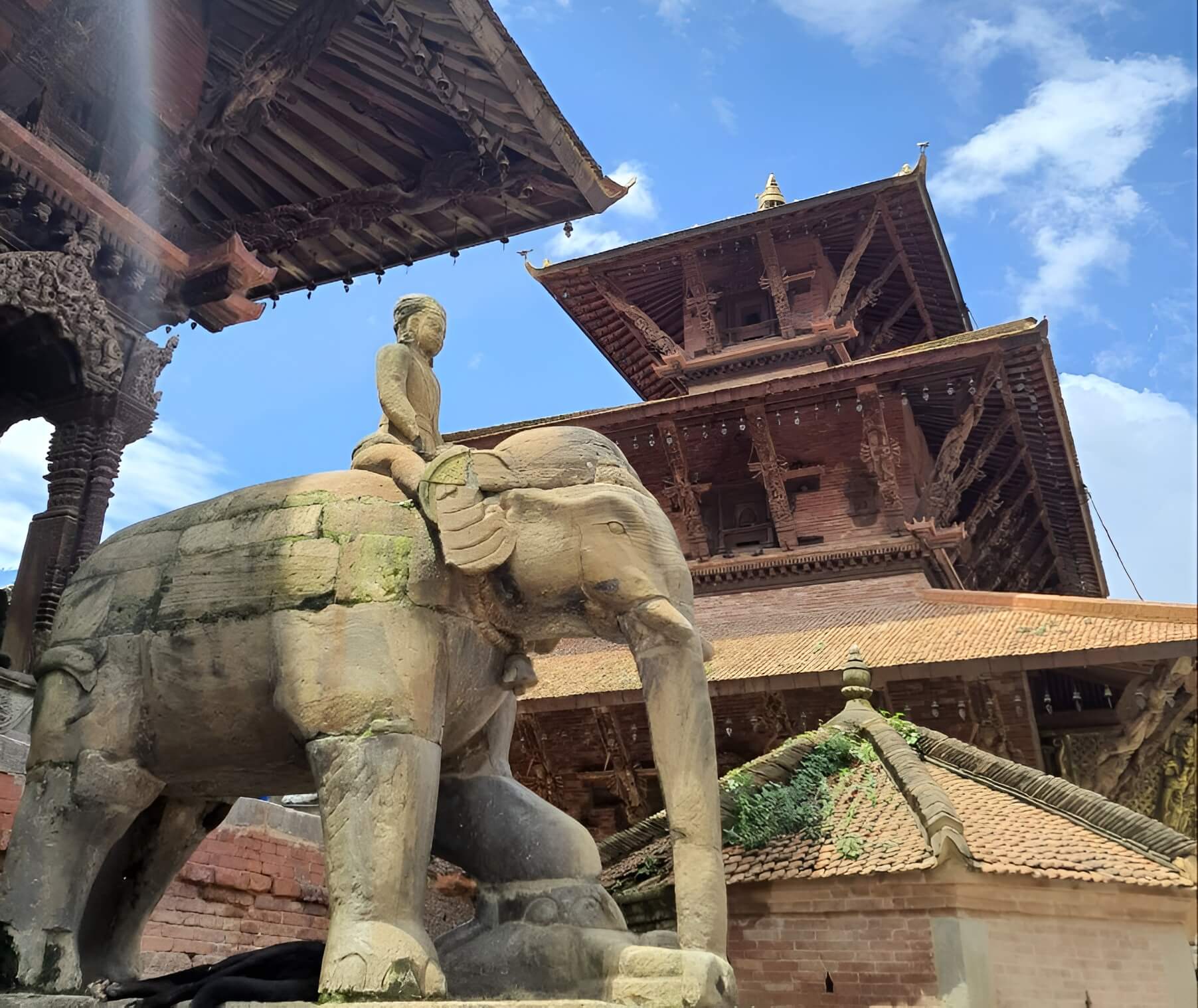
Once here, you forget the limitations of time and space. Of the three former kingdoms of the Kathmandu Valley, Patan is the oldest. Walking through its narrow streets, you won’t need maps, as each building is a work of art, and the numerous craft shops are full of statues, thangkas and jewelry from skilled artisans. The stone, carved wood, gilded roofs of the endless temples and the Newars, the indigenous people with a rich culture, create a unique atmosphere of the old town.
The Golden Temple, Durbar Square, Patan Museum, Mahabouddha, numerous stupas, viharas, and chaityas (temples) … It’s always amazing how such a small area can accommodate so many eras, so much history, culture, and so much spiritual heritage.
Would you like to walk the same streets as the characters of Dr. Strange?
What to expect?
Golden Temple: Hiranya Varna Mahavihar dates back to the 12th century and is considered to be one of the most beautiful temples in the valley because of its fine wood-carving, repousse, and gold plating craftsmanship. The main priest here is a small boy under the age of 12 assisted by the elder. It is possible to witness the daily rituals observed here for many centuries without interruptions which send us back to the Golden Age of Buddhism in the Patan and Kathmandu valley.
Patan Durbar: The royal square with the king’s palace now turned into a museum has one of the most intricate and rich architecture and styles. Showcasing the golden period of the Malla dynasty it is a breathtaking experience to walk in the royal courtyard and visit the local temples. There are many artifacts kept in the Patan Museum and many unique pagoda-style temples. You can try local newari delicacies here watching over the square from the highest rooftop.
Mahabouddha: This is one of the most interesting buildings around Kathmandu often neglected by usual tourist routes. The stupa was created by the local architect after the famous enlightenment stupa in Bodhgaya. The place also houses one of the most important Yogini temples of the valley and has a separate stupa for Buddha Sakyamuni’s mother Maya Devi. There are a thousand Buddhas engraved on the main stupa. Around the temple, there are many local statues and artisan shops.
What's Included In The Cost
- Breakfast or other meals (if specified)
- Entry fees for attractions (e.g., Patan Museum, temples)
- Guided tours (if included)
- Transportation within Patan (if specified)
- Travel insurance (if provided)
- Local taxes and service charges
What's Not Included In The Cost
- International flights to and from Nepal
- Visa fees
- Personal expenses (souvenirs, snacks, etc.)
- Lunch and dinner (unless specified)
- Tips for guides and drivers
- Additional excursions or activities not listed in the itinerary
- Travel insurance (if not included)
Trip Detail Itinerary
Information You Need To Know
Additional Information You Need To Know
When visiting Patan, it’s essential to wear comfortable walking shoes, as the narrow streets can be uneven and cobbled. Be sure to bring a camera to capture the stunning architecture and intricate details of the temples and statues. Many shops accept cash only, so it’s a good idea to have Nepali rupees on hand for purchases. The best time to explore is early in the morning or late afternoon, when the light enhances the beauty of the buildings and the streets are less crowded.
Local guides are available for hire and can provide deeper insights into the rich history and cultural significance of each site. Remember to be respectful when visiting religious sites; dress modestly and follow any specific guidelines set by the temples. Lastly, stay hydrated and take breaks to fully enjoy the vibrant atmosphere of this historical gem.
Frequently Asked Question
The best time to visit Patan is during the spring (March to May) and autumn (September to November) when the weather is pleasant and clear.
Yes, Patan is generally safe for tourists. However, it’s advisable to take standard safety precautions, like keeping an eye on your belongings and avoiding isolated areas at night.
Dress modestly when visiting temples. It’s best to wear clothing that covers your shoulders and knees to show respect for the local customs.
Yes, some attractions like Patan Durbar Square and Patan Museum may have entrance fees, so be sure to carry some cash for this purpose.
Photography policies vary by temple. Some allow photography, while others may have restrictions. Always check for signs or ask the staff before taking pictures.
Yes, Patan has numerous cafes and restaurants offering local Newari delicacies and international cuisine. Exploring local eateries can enhance your culinary experience.
Patan is easily accessible from Kathmandu by taxi, private car, or local buses. The journey typically takes around 30 minutes to an hour, depending on traffic.
Yes, Patan is suitable for children. The historical sites, vibrant streets, and local culture can be intriguing and educational for young visitors.
Patan has several clinics and hospitals. It’s advisable to have travel insurance that covers medical emergencies and to know the location of the nearest medical facility.
Review Scores
Book This Trip
Patan Day Tour
Book This Trip
Trip Overview
Once here, you forget the limitations of time and space. Of the three former kingdoms of the Kathmandu Valley, Patan is the oldest. Walking through its narrow streets, you won’t need maps, as each building is a work of art, and the numerous craft shops are full of statues, thangkas and jewelry from skilled artisans. The stone, carved wood, gilded roofs of the endless temples and the Newars, the indigenous people with a rich culture, create a unique atmosphere of the old town.
The Golden Temple, Durbar Square, Patan Museum, Mahabouddha, numerous stupas, viharas, and chaityas (temples) … It’s always amazing how such a small area can accommodate so many eras, so much history, culture, and so much spiritual heritage.
Would you like to walk the same streets as the characters of Dr. Strange?
What to expect?
Golden Temple: Hiranya Varna Mahavihar dates back to the 12th century and is considered to be one of the most beautiful temples in the valley because of its fine wood-carving, repousse, and gold plating craftsmanship. The main priest here is a small boy under the age of 12 assisted by the elder. It is possible to witness the daily rituals observed here for many centuries without interruptions which send us back to the Golden Age of Buddhism in the Patan and Kathmandu valley.
Patan Durbar: The royal square with the king’s palace now turned into a museum has one of the most intricate and rich architecture and styles. Showcasing the golden period of the Malla dynasty it is a breathtaking experience to walk in the royal courtyard and visit the local temples. There are many artifacts kept in the Patan Museum and many unique pagoda-style temples. You can try local newari delicacies here watching over the square from the highest rooftop.
Mahabouddha: This is one of the most interesting buildings around Kathmandu often neglected by usual tourist routes. The stupa was created by the local architect after the famous enlightenment stupa in Bodhgaya. The place also houses one of the most important Yogini temples of the valley and has a separate stupa for Buddha Sakyamuni’s mother Maya Devi. There are a thousand Buddhas engraved on the main stupa. Around the temple, there are many local statues and artisan shops.
What's Included In The Cost
- Breakfast or other meals (if specified)
- Entry fees for attractions (e.g., Patan Museum, temples)
- Guided tours (if included)
- Transportation within Patan (if specified)
- Travel insurance (if provided)
- Local taxes and service charges
What's Not Included In The Cost
- International flights to and from Nepal
- Visa fees
- Personal expenses (souvenirs, snacks, etc.)
- Lunch and dinner (unless specified)
- Tips for guides and drivers
- Additional excursions or activities not listed in the itinerary
- Travel insurance (if not included)
Trip Detail Itinerary
Information You Need To Know
Additional Information You Need To Know
When visiting Patan, it’s essential to wear comfortable walking shoes, as the narrow streets can be uneven and cobbled. Be sure to bring a camera to capture the stunning architecture and intricate details of the temples and statues. Many shops accept cash only, so it’s a good idea to have Nepali rupees on hand for purchases. The best time to explore is early in the morning or late afternoon, when the light enhances the beauty of the buildings and the streets are less crowded.
Local guides are available for hire and can provide deeper insights into the rich history and cultural significance of each site. Remember to be respectful when visiting religious sites; dress modestly and follow any specific guidelines set by the temples. Lastly, stay hydrated and take breaks to fully enjoy the vibrant atmosphere of this historical gem.
Frequently Asked Question
The best time to visit Patan is during the spring (March to May) and autumn (September to November) when the weather is pleasant and clear.
Yes, Patan is generally safe for tourists. However, it’s advisable to take standard safety precautions, like keeping an eye on your belongings and avoiding isolated areas at night.
Dress modestly when visiting temples. It’s best to wear clothing that covers your shoulders and knees to show respect for the local customs.
Yes, some attractions like Patan Durbar Square and Patan Museum may have entrance fees, so be sure to carry some cash for this purpose.
Photography policies vary by temple. Some allow photography, while others may have restrictions. Always check for signs or ask the staff before taking pictures.
Yes, Patan has numerous cafes and restaurants offering local Newari delicacies and international cuisine. Exploring local eateries can enhance your culinary experience.
Patan is easily accessible from Kathmandu by taxi, private car, or local buses. The journey typically takes around 30 minutes to an hour, depending on traffic.
Yes, Patan is suitable for children. The historical sites, vibrant streets, and local culture can be intriguing and educational for young visitors.
Patan has several clinics and hospitals. It’s advisable to have travel insurance that covers medical emergencies and to know the location of the nearest medical facility.