11 Days Nepal Tour
Trip Overview
Welcome to Nepal, a country that combines incredible natural beauty, rich history, culture and hospitality of the locals. Majestic mountain peaks of the Himalayas, national parks with rare flora and fauna and holy places filled with cosmic energy – you can see it all in one trip. We take you on a journey to the three major gems of Nepal – Chitwan, Pokhara and Lumbini.
Chitwan
Chitwan National Park is a paradise for wildlife lovers. Here you can go on safari to explore the rainforests, see rare Nepalese unicorns, deer, birds and even a Bengal tiger if you are lucky. You can take a canoe ride amongst the tropical tree thickets and see crocodiles and kingfishers in their natural habitat. The sunrises and sunsets of Chitwan are breathtaking in their colors and bring you back to nature.
Lumbini
After the vibrant colors of Chitwan, we will enter the holy land of Lumbini, where the little Buddha took his first seven steps and declared himself the best of the two-legged people. Leaving his palace, Prince Siddhartha set out in search of truth and achieved his goal. Serenity and holiness hang in the air and invite us to explore our true nature. Here you can take a leisurely stroll through the Buddhist temples and pagodas built by various countries and sit down on the lawn near the Maya Devi temple to look inside yourself.
Pokhara
Located on the banks of Phewa Lake and surrounded by the Annapurna Mountain range, Pokhara is the yogic capital of Nepal and the world. Its picturesque scenery and relaxed atmosphere make it the best place for vacation, spiritual practices and relaxation. The fish-tail-like Machhapuchhre Mountain is visible from the city on a clear day and is reflected in the tranquil surface of the lake, the depth of which is still unknown. Here one naturally sinks into the depths of one’s consciousness and feels a quiet joy.
Highlilghts Of The Trips
The highlight of the trip to Nepal encompasses a breathtaking blend of natural beauty, cultural richness, and spiritual experiences. From the dense jungles of Chitwan National Park, where you can spot rare wildlife like the Bengal tiger and Nepalese unicorn, to the serene, holy atmosphere of Lumbini, the birthplace of Buddha, every moment is filled with wonder. The picturesque city of Pokhara, nestled by the tranquil Phewa Lake and surrounded by the majestic Annapurna range, offers a perfect backdrop for relaxation and spiritual practices. In Kathmandu, the historic Durbar Square, the sacred Swayambu Stupa, and the vibrant Thamel district provide a fascinating glimpse into Nepal’s rich heritage and bustling urban life. Each destination, with its unique charm and captivating scenery, contributes to an unforgettable journey through this Himalayan gem.
What's Included In The Cost
- Accommodation: Hotel stays throughout the trip, including Kathmandu, Nagarkot, Chitwan, Butwal, Lumbini, and Pokhara.
- Meals: Daily breakfast at the hotels, some lunches and dinners as specified in the itinerary.
- Transportation: Transfers between destinations, including airport pickups and drops, and comfortable buses for intercity travel.
- Guided Tours: Professional guides for sightseeing in Kathmandu, Bhaktapur, Chitwan, Lumbini, and Pokhara.
- Entrance Fees: Admission fees to national parks, temples, and other attractions mentioned in the itinerary.
- Activities: Jungle safari, canoe ride in Chitwan, and any other activities mentioned in the itinerary.
- Domestic Flight: Flight from Pokhara to Kathmandu.
- Morning Yoga Sessions: Daily yoga practices as specified.
- Support: Assistance from local representatives throughout the trip.
What's Not Included In The Cost
- International Flights: Airfare to and from Nepal.
- Travel Insurance: Personal travel insurance, including health and trip cancellation.
- Visas: Nepal visa fees.
- Meals: Meals not specified in the itinerary, including some lunches and dinners.
- Personal Expenses: Tips, souvenirs, laundry, and personal items.
- Optional Activities: Activities not mentioned in the itinerary, such as additional tours or adventure sports.
- Beverages: Alcoholic and non-alcoholic drinks not included in meals.
- Extra Accommodation: Additional nights' accommodation not specified in the itinerary.
- Gratuities: Tips for guides, drivers, and hotel staff.
- Equipment Rental: Rental costs for any required equipment for optional activities.
Trip Detail Itinerary
Upon arrival at Tribhuvan airport, you will be met by our representative and transferred to the hotel where you will be assisted for accommodation. You can relax at the hotel or stroll around Thamel, Kathmandu’s bustling tourist district with numerous shops offering local souvenirs and temples with centuries-old history. For dinner, you can go to one of the many restaurants with cuisines from different countries.
After sharing yoga and a delicious breakfast, we will head out to explore the main attractions of Nepal’s capital city. The first thing we will visit is the Swayambu stupa, where the story of the creation of Kathmandu Valley begins. Then we will go to Durbar Square, where all the main ceremonies and events of the Nepalese monarchy, which existed until 2008, took place. Here we will also visit the living goddess Kumari, one look at which gives good luck and long life. After that we will go to the wish-fulfilling stupa of Bouda, where we will visit temples, make wishes and meditate while looking into the eyes of the original Buddha, which look in all directions of the world. In the evening we will return to our cozy hotel to end the day with a joint yoga practice.
Today we will depart for Nagarkot, a picturesque mountain retreat offering spectacular panoramic views of the Himalayan range including Dhaulagiri, Langtang and Everest. En route we will visit Bhaktapur, the former capital of the kings of the Malla dynasty, where we will experience the atmosphere of a medieval Nepali city. Here we will see unique structures such as the 55-window royal palace, Nepal’s tallest wooden pagoda Nyatapolu and the Mona Lisa of Nepal, a 15th century carved window. Wood and stone carving, pottery and paper making are all crafts that can be seen in the many stalls that preserve traditions dating back thousands of years.
After welcoming the most beautiful dawn in Nagarkot with golden rays shimmering on the snowy peaks of the Himalayas, we will do our morning practice and leave for Chitwan with renewed vigor. Outside the window of the comfortable bus, we can observe picturesque views of waterfalls and forests along the Trishuli River. Chitwan will greet us with a tropical climate and landscape where one is immediately immersed in another world. A local guide will take us around the village and tell us fascinating stories about the national park and its inhabitants.
After morning yoga and breakfast at the hotel, we will be treated to an exciting adventure of jeep safaris and canoe rides. In the company of an experienced local guide, we will head into the thick of the national park where we can see elephants, Nepalese unicorns, deer, birds and other wildlife. When the heat subsides, we will take local boats to explore the aquatic flora and fauna of Chitwan, especially crocodiles and numerous birds. A full day of vivid experiences can be reflected upon in the evening over a delicious dinner.
In the morning we transfer to Butwal, one of the fastest growing cities in Nepal, where we will be accommodated in a beautiful hotel. You can spend the day quietly practicing your practice, or head out to explore the local temples and sights.
Today we will travel to the spiritual cradle of Buddhism, the birthplace of Prince Siddhartha who left his palace in search of awakening. Nepalis are very proud of the fact that they live in the birthplace of Buddha and in many ways it is well deserved. Whereas in India Buddhism is in decline, in Nepal there has been an unbroken lineage of knowledge and practice from the Buddha himself for centuries. This is why in Nepal no effort is needed to enter samadhi, meditation comes naturally due to the blessings of the earth and air. The temple of Maya Devi, the mother of Buddha, thanks to whom the world learned the teachings of liberation from suffering, does not want to let go with its energy of tranquility and bliss. One wants to stay here longer and slow down our usual race of consciousness.
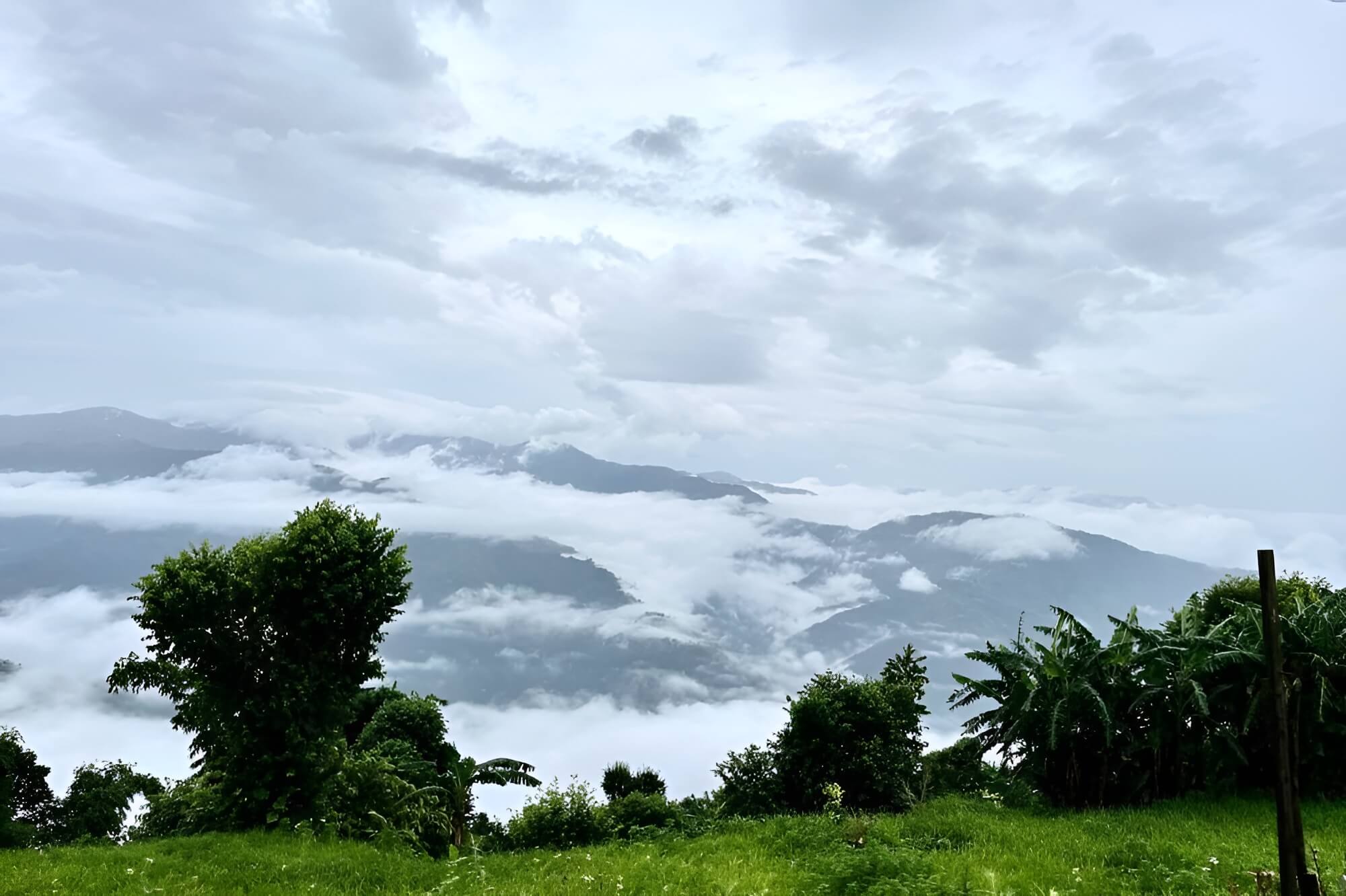
After morning yoga and breakfast, we will leave for our next destination – Pokhara. As always beautiful views of green fields and hills await us on the way, which closer to Pokhara increasingly change to mesmerizing views of mountain peaks. The long drive is rewarded with magnificent views of Phewa Lake and the Himalayas. After lodging at a cozy lakeside hotel, you can relax, practice and stroll along Lakeside, Pokhara’s famous waterfront.
Today we will be introduced to the city. We will cross over to the other side by boat, enjoying the reflection of the eight thousand meters on the water surface of Phewa Lake. Next, we will ascend to the Peace Stupa where we can enjoy the peace and quiet, meditate on the hilltop and visit the shrine of the founder of the stupa, a Japanese monk from the Nipposan order. After lunch, we can visit the rest of Pokhara’s attractions such as Gupteshwor Cave and Davis Falls. In the evening, we will once again enjoy the relaxed atmosphere of Lakeside before returning to Kathmandu.
Today we have a free day and a flight to Kathmandu.
After the highlights of Chitwan safari, the contemplative atmosphere of Lumbini and peaceful Pokhara, we return home full of impressions, new experiences and ready to return again to the heart of the Himalayas.
Information You Need To Know
Additional Information You Need To Know
To ensure a smooth and enjoyable journey through Nepal, it is important to gather additional information on various aspects of your trip. First, research the local weather conditions and the best times to visit each destination to make the most of your sightseeing opportunities. Prepare a comprehensive packing list, including attire suitable for the diverse climates you will encounter, from the tropical environment of Chitwan to the cooler temperatures in the Himalayan regions. Familiarize yourself with health and safety guidelines, including recommended vaccinations and the necessity of travel insurance. Detailed itineraries for optional activities or excursions, such as paragliding in Pokhara or additional temple visits in Lumbini, can enhance your experience. Understanding cultural etiquette and customs will help you respect local traditions and interact harmoniously with the locals. Learn about the local cuisines and dining recommendations to fully enjoy the culinary delights Nepal has to offer. Basic language phrases in Nepali can aid in communication and enrich your interactions. Ensure you have emergency contact numbers for local authorities and your embassy. Additionally, information on currency exchange options, local transportation methods, and any necessary permits for national parks or specific regions will facilitate seamless travel planning and ensure you are well-prepared for any situation.
Frequently Asked Question
The best time to visit Nepal is during the spring (March to May) and autumn (September to November) when the weather is mild, and the skies are clear, offering the best views of the Himalayas.
Yes, most travelers need a visa to enter Nepal. You can obtain a visa on arrival at Tribhuvan International Airport in Kathmandu or apply for one in advance through a Nepalese embassy or consulate.
Pack clothing suitable for various climates, including warm layers for cooler regions and lighter attire for tropical areas. Don’t forget essentials like a good pair of walking shoes, a hat, sunscreen, insect repellent, a reusable water bottle, and a basic first-aid kit.
Nepal is generally a safe country to visit. However, it is always advisable to take standard travel precautions, such as avoiding remote areas at night, keeping your belongings secure, and staying informed about local conditions.
The local currency is the Nepalese Rupee (NPR). You can exchange money at banks, exchange counters, and hotels. ATMs are available in major cities, but it is advisable to carry some cash, especially in remote areas.
The main language is Nepali. While English is widely spoken in tourist areas, learning a few basic Nepali phrases can be helpful and appreciated by locals.
Nepalese cuisine includes dishes like dal bhat (lentil soup with rice), momo (dumplings), and gundruk (fermented leafy greens). In tourist areas, you will find a variety of international cuisines, including Indian, Chinese, and Western options.
Tipping is not mandatory but is appreciated. In restaurants, a 10% service charge is often included. For guides, porters, and drivers, a tip is a good way to show appreciation for their services.
Nepal uses Type C, D, and M electrical outlets with a standard voltage of 230V and a frequency of 50Hz. It is advisable to carry a universal adapter.
You can use your mobile phone in Nepal by purchasing a local SIM card or using international roaming. Internet access is widely available in hotels, cafes, and restaurants in major cities.
Nepal offers a range of accommodation options, from budget guesthouses and hostels to mid-range hotels and luxury resorts. Homestays are also available in some areas for a more authentic experience.
Review Scores
Book This Trip
11 Days Nepal Tour
Book This Trip
Trip Overview
Welcome to Nepal, a country that combines incredible natural beauty, rich history, culture and hospitality of the locals. Majestic mountain peaks of the Himalayas, national parks with rare flora and fauna and holy places filled with cosmic energy – you can see it all in one trip. We take you on a journey to the three major gems of Nepal – Chitwan, Pokhara and Lumbini.
Chitwan
Chitwan National Park is a paradise for wildlife lovers. Here you can go on safari to explore the rainforests, see rare Nepalese unicorns, deer, birds and even a Bengal tiger if you are lucky. You can take a canoe ride amongst the tropical tree thickets and see crocodiles and kingfishers in their natural habitat. The sunrises and sunsets of Chitwan are breathtaking in their colors and bring you back to nature.
Lumbini
After the vibrant colors of Chitwan, we will enter the holy land of Lumbini, where the little Buddha took his first seven steps and declared himself the best of the two-legged people. Leaving his palace, Prince Siddhartha set out in search of truth and achieved his goal. Serenity and holiness hang in the air and invite us to explore our true nature. Here you can take a leisurely stroll through the Buddhist temples and pagodas built by various countries and sit down on the lawn near the Maya Devi temple to look inside yourself.
Pokhara
Located on the banks of Phewa Lake and surrounded by the Annapurna Mountain range, Pokhara is the yogic capital of Nepal and the world. Its picturesque scenery and relaxed atmosphere make it the best place for vacation, spiritual practices and relaxation. The fish-tail-like Machhapuchhre Mountain is visible from the city on a clear day and is reflected in the tranquil surface of the lake, the depth of which is still unknown. Here one naturally sinks into the depths of one’s consciousness and feels a quiet joy.
Highlilghts Of The Trips
The highlight of the trip to Nepal encompasses a breathtaking blend of natural beauty, cultural richness, and spiritual experiences. From the dense jungles of Chitwan National Park, where you can spot rare wildlife like the Bengal tiger and Nepalese unicorn, to the serene, holy atmosphere of Lumbini, the birthplace of Buddha, every moment is filled with wonder. The picturesque city of Pokhara, nestled by the tranquil Phewa Lake and surrounded by the majestic Annapurna range, offers a perfect backdrop for relaxation and spiritual practices. In Kathmandu, the historic Durbar Square, the sacred Swayambu Stupa, and the vibrant Thamel district provide a fascinating glimpse into Nepal’s rich heritage and bustling urban life. Each destination, with its unique charm and captivating scenery, contributes to an unforgettable journey through this Himalayan gem.
What's Included In The Cost
- Accommodation: Hotel stays throughout the trip, including Kathmandu, Nagarkot, Chitwan, Butwal, Lumbini, and Pokhara.
- Meals: Daily breakfast at the hotels, some lunches and dinners as specified in the itinerary.
- Transportation: Transfers between destinations, including airport pickups and drops, and comfortable buses for intercity travel.
- Guided Tours: Professional guides for sightseeing in Kathmandu, Bhaktapur, Chitwan, Lumbini, and Pokhara.
- Entrance Fees: Admission fees to national parks, temples, and other attractions mentioned in the itinerary.
- Activities: Jungle safari, canoe ride in Chitwan, and any other activities mentioned in the itinerary.
- Domestic Flight: Flight from Pokhara to Kathmandu.
- Morning Yoga Sessions: Daily yoga practices as specified.
- Support: Assistance from local representatives throughout the trip.
What's Not Included In The Cost
- International Flights: Airfare to and from Nepal.
- Travel Insurance: Personal travel insurance, including health and trip cancellation.
- Visas: Nepal visa fees.
- Meals: Meals not specified in the itinerary, including some lunches and dinners.
- Personal Expenses: Tips, souvenirs, laundry, and personal items.
- Optional Activities: Activities not mentioned in the itinerary, such as additional tours or adventure sports.
- Beverages: Alcoholic and non-alcoholic drinks not included in meals.
- Extra Accommodation: Additional nights' accommodation not specified in the itinerary.
- Gratuities: Tips for guides, drivers, and hotel staff.
- Equipment Rental: Rental costs for any required equipment for optional activities.
Trip Detail Itinerary
Upon arrival at Tribhuvan airport, you will be met by our representative and transferred to the hotel where you will be assisted for accommodation. You can relax at the hotel or stroll around Thamel, Kathmandu’s bustling tourist district with numerous shops offering local souvenirs and temples with centuries-old history. For dinner, you can go to one of the many restaurants with cuisines from different countries.
After sharing yoga and a delicious breakfast, we will head out to explore the main attractions of Nepal’s capital city. The first thing we will visit is the Swayambu stupa, where the story of the creation of Kathmandu Valley begins. Then we will go to Durbar Square, where all the main ceremonies and events of the Nepalese monarchy, which existed until 2008, took place. Here we will also visit the living goddess Kumari, one look at which gives good luck and long life. After that we will go to the wish-fulfilling stupa of Bouda, where we will visit temples, make wishes and meditate while looking into the eyes of the original Buddha, which look in all directions of the world. In the evening we will return to our cozy hotel to end the day with a joint yoga practice.
Today we will depart for Nagarkot, a picturesque mountain retreat offering spectacular panoramic views of the Himalayan range including Dhaulagiri, Langtang and Everest. En route we will visit Bhaktapur, the former capital of the kings of the Malla dynasty, where we will experience the atmosphere of a medieval Nepali city. Here we will see unique structures such as the 55-window royal palace, Nepal’s tallest wooden pagoda Nyatapolu and the Mona Lisa of Nepal, a 15th century carved window. Wood and stone carving, pottery and paper making are all crafts that can be seen in the many stalls that preserve traditions dating back thousands of years.
After welcoming the most beautiful dawn in Nagarkot with golden rays shimmering on the snowy peaks of the Himalayas, we will do our morning practice and leave for Chitwan with renewed vigor. Outside the window of the comfortable bus, we can observe picturesque views of waterfalls and forests along the Trishuli River. Chitwan will greet us with a tropical climate and landscape where one is immediately immersed in another world. A local guide will take us around the village and tell us fascinating stories about the national park and its inhabitants.
After morning yoga and breakfast at the hotel, we will be treated to an exciting adventure of jeep safaris and canoe rides. In the company of an experienced local guide, we will head into the thick of the national park where we can see elephants, Nepalese unicorns, deer, birds and other wildlife. When the heat subsides, we will take local boats to explore the aquatic flora and fauna of Chitwan, especially crocodiles and numerous birds. A full day of vivid experiences can be reflected upon in the evening over a delicious dinner.
In the morning we transfer to Butwal, one of the fastest growing cities in Nepal, where we will be accommodated in a beautiful hotel. You can spend the day quietly practicing your practice, or head out to explore the local temples and sights.
Today we will travel to the spiritual cradle of Buddhism, the birthplace of Prince Siddhartha who left his palace in search of awakening. Nepalis are very proud of the fact that they live in the birthplace of Buddha and in many ways it is well deserved. Whereas in India Buddhism is in decline, in Nepal there has been an unbroken lineage of knowledge and practice from the Buddha himself for centuries. This is why in Nepal no effort is needed to enter samadhi, meditation comes naturally due to the blessings of the earth and air. The temple of Maya Devi, the mother of Buddha, thanks to whom the world learned the teachings of liberation from suffering, does not want to let go with its energy of tranquility and bliss. One wants to stay here longer and slow down our usual race of consciousness.
After morning yoga and breakfast, we will leave for our next destination – Pokhara. As always beautiful views of green fields and hills await us on the way, which closer to Pokhara increasingly change to mesmerizing views of mountain peaks. The long drive is rewarded with magnificent views of Phewa Lake and the Himalayas. After lodging at a cozy lakeside hotel, you can relax, practice and stroll along Lakeside, Pokhara’s famous waterfront.
Today we will be introduced to the city. We will cross over to the other side by boat, enjoying the reflection of the eight thousand meters on the water surface of Phewa Lake. Next, we will ascend to the Peace Stupa where we can enjoy the peace and quiet, meditate on the hilltop and visit the shrine of the founder of the stupa, a Japanese monk from the Nipposan order. After lunch, we can visit the rest of Pokhara’s attractions such as Gupteshwor Cave and Davis Falls. In the evening, we will once again enjoy the relaxed atmosphere of Lakeside before returning to Kathmandu.
Today we have a free day and a flight to Kathmandu.
After the highlights of Chitwan safari, the contemplative atmosphere of Lumbini and peaceful Pokhara, we return home full of impressions, new experiences and ready to return again to the heart of the Himalayas.
Information You Need To Know
Additional Information You Need To Know
To ensure a smooth and enjoyable journey through Nepal, it is important to gather additional information on various aspects of your trip. First, research the local weather conditions and the best times to visit each destination to make the most of your sightseeing opportunities. Prepare a comprehensive packing list, including attire suitable for the diverse climates you will encounter, from the tropical environment of Chitwan to the cooler temperatures in the Himalayan regions. Familiarize yourself with health and safety guidelines, including recommended vaccinations and the necessity of travel insurance. Detailed itineraries for optional activities or excursions, such as paragliding in Pokhara or additional temple visits in Lumbini, can enhance your experience. Understanding cultural etiquette and customs will help you respect local traditions and interact harmoniously with the locals. Learn about the local cuisines and dining recommendations to fully enjoy the culinary delights Nepal has to offer. Basic language phrases in Nepali can aid in communication and enrich your interactions. Ensure you have emergency contact numbers for local authorities and your embassy. Additionally, information on currency exchange options, local transportation methods, and any necessary permits for national parks or specific regions will facilitate seamless travel planning and ensure you are well-prepared for any situation.
Frequently Asked Question
The best time to visit Nepal is during the spring (March to May) and autumn (September to November) when the weather is mild, and the skies are clear, offering the best views of the Himalayas.
Yes, most travelers need a visa to enter Nepal. You can obtain a visa on arrival at Tribhuvan International Airport in Kathmandu or apply for one in advance through a Nepalese embassy or consulate.
Pack clothing suitable for various climates, including warm layers for cooler regions and lighter attire for tropical areas. Don’t forget essentials like a good pair of walking shoes, a hat, sunscreen, insect repellent, a reusable water bottle, and a basic first-aid kit.
Nepal is generally a safe country to visit. However, it is always advisable to take standard travel precautions, such as avoiding remote areas at night, keeping your belongings secure, and staying informed about local conditions.
The local currency is the Nepalese Rupee (NPR). You can exchange money at banks, exchange counters, and hotels. ATMs are available in major cities, but it is advisable to carry some cash, especially in remote areas.
The main language is Nepali. While English is widely spoken in tourist areas, learning a few basic Nepali phrases can be helpful and appreciated by locals.
Nepalese cuisine includes dishes like dal bhat (lentil soup with rice), momo (dumplings), and gundruk (fermented leafy greens). In tourist areas, you will find a variety of international cuisines, including Indian, Chinese, and Western options.
Tipping is not mandatory but is appreciated. In restaurants, a 10% service charge is often included. For guides, porters, and drivers, a tip is a good way to show appreciation for their services.
Nepal uses Type C, D, and M electrical outlets with a standard voltage of 230V and a frequency of 50Hz. It is advisable to carry a universal adapter.
You can use your mobile phone in Nepal by purchasing a local SIM card or using international roaming. Internet access is widely available in hotels, cafes, and restaurants in major cities.
Nepal offers a range of accommodation options, from budget guesthouses and hostels to mid-range hotels and luxury resorts. Homestays are also available in some areas for a more authentic experience.