Everest Base Camp Classic Trek
Trip Overview
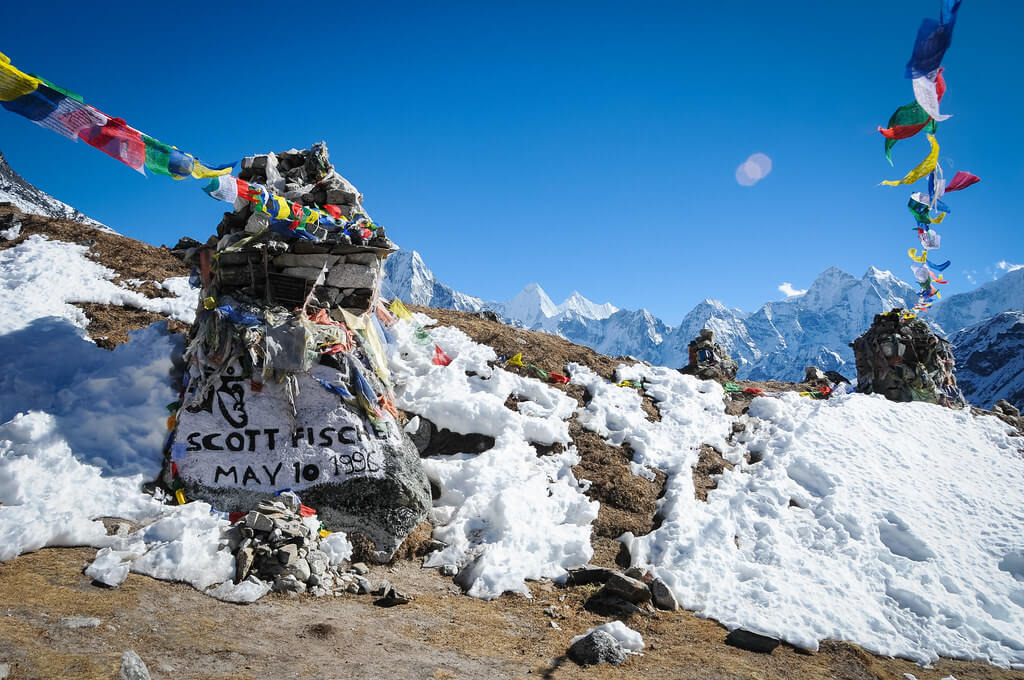
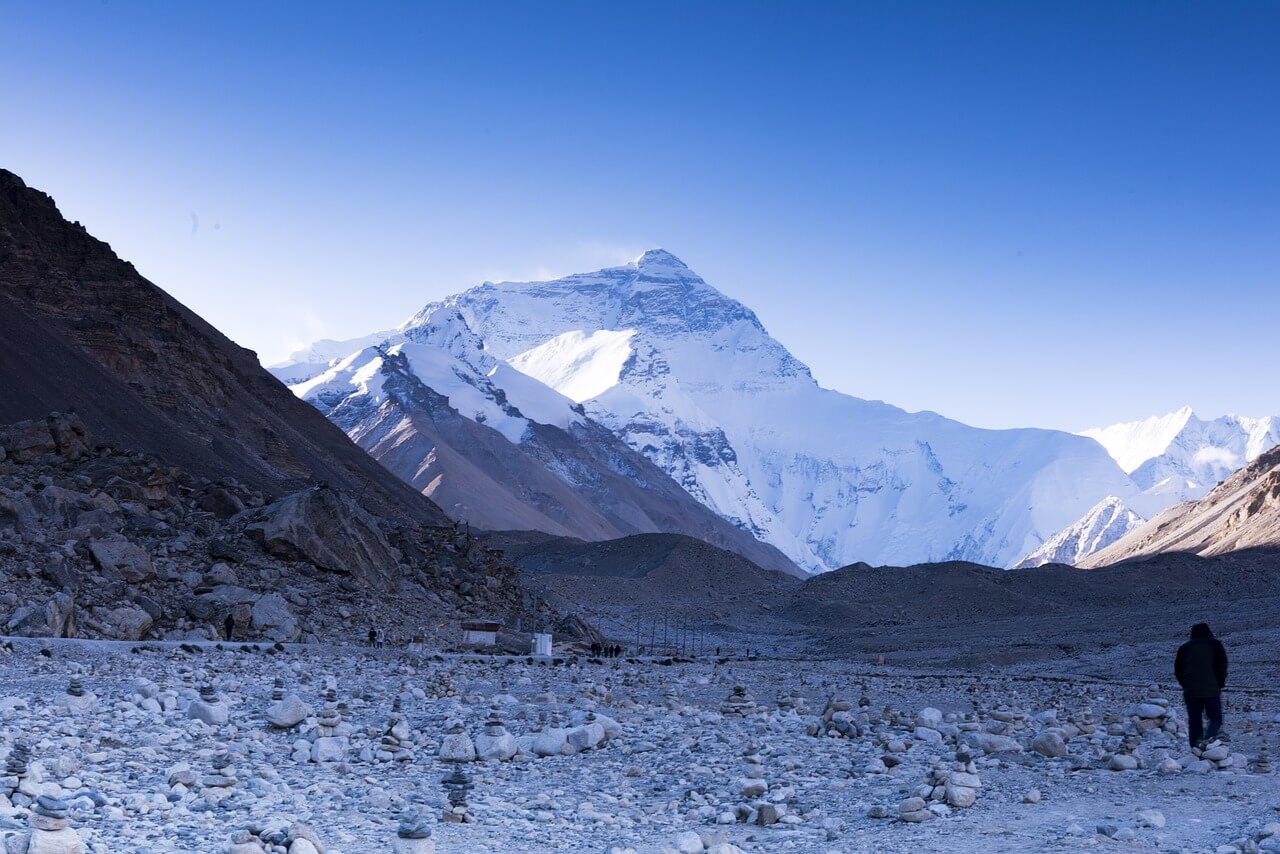
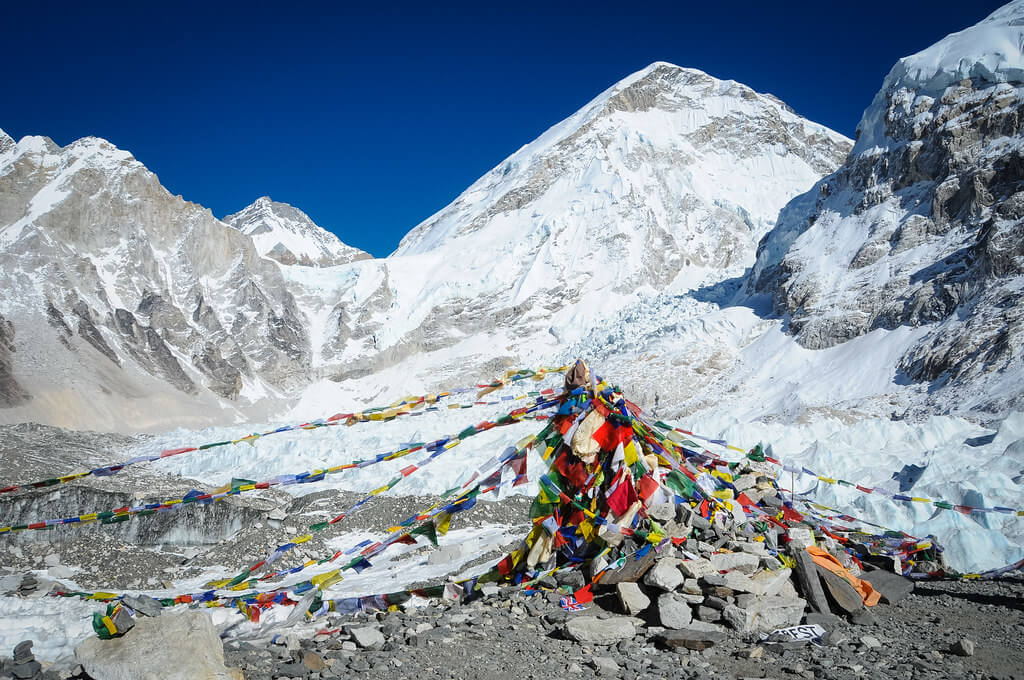
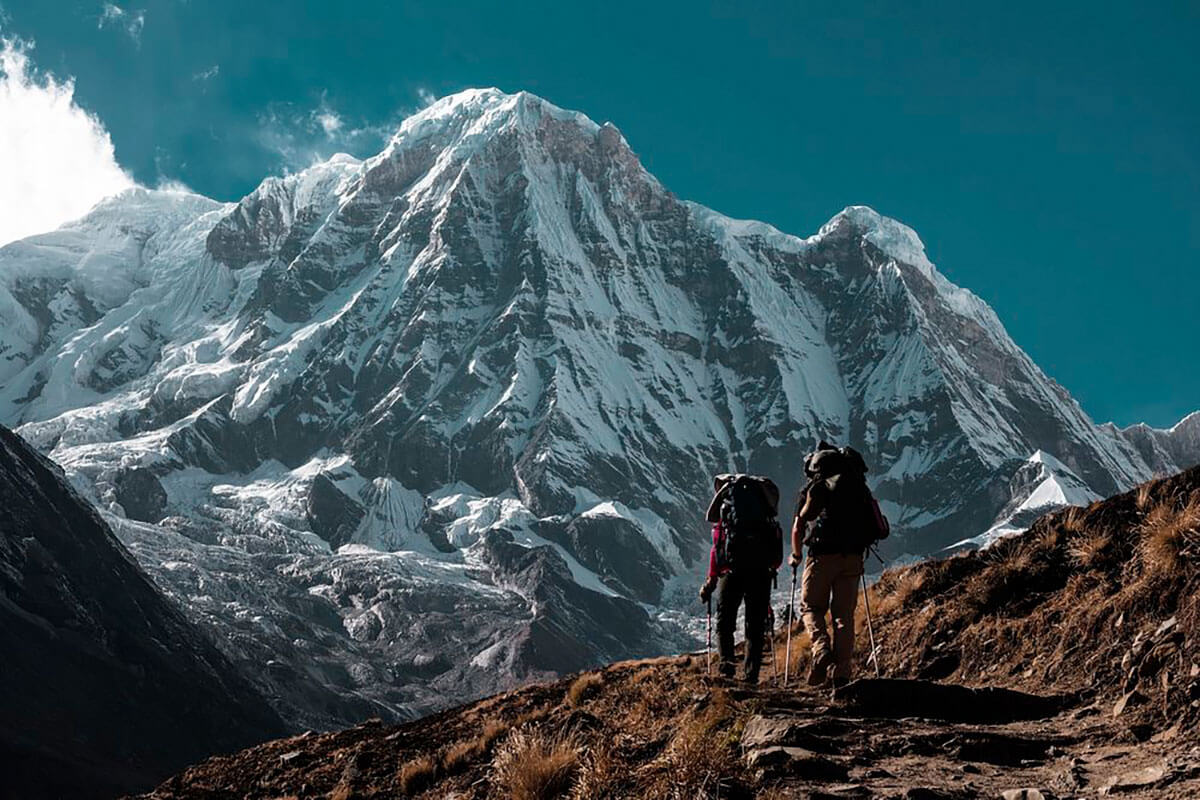
Nowhere in the world is more spectacular than in the Everest region. It is where four of the world’s six tallest peaks Mt. Everest, Mt. Lhotse, Mt. Makalu, and Cho Oyu rise above everything else, crowning the towering ridges that straddle the forbidding Himalayans. The Everest Base Camp trek is the grandest walk in the land of the Himalayas. Trekking through the Everest region offers astounding mountain views, and opportunities to get a glimpse into the life of world famous climbers (the Sherpas). The trek further offers the opportunities to go sightseeing around Sagarmatha National Park, a world heritage site that is home to a variety of Himalayan floras and faunas, to get a closer look at the highest Buddhist monasteries in the world, and, of course, the most gratifying of them all, the trip to Everest Base Camp itself. It is an opportunity to embark on an epic journey that Sir Edmund Hillary and Tenzing Norgay set off on in 1953. But nothing beats the thrill and sense of accomplishment that grips travelers on seeing the power and grace of the mighty Everest up close.
Highlilghts Of The Trips
Day 1 – Arrival in Kathmandu (1,345m/4,413 ft)
Day 2- Fly from Kathmandu to Lukla (2,800m/9,186 ft). Trek to Phakding (2,610m/8,563 ft)
Day 3- Trek from Phakding to Namche Bazar (3,440m/11,286 ft)
Day 4- Namche Bazaar acclimatization day
Day 5- Trek from Namche Bazaar to Deboche (3,800m / 12,467ft)
Day 6- Trek from Deboche to Dingboche (4,350m/14,272 ft)
Day 7- Dingboche acclimatization day
Day 8- Trek from Dingboche to Lobuche (4,910m/16,109 ft)
Day 9- Trek from Lobuche to Gorakshep (5,180m/16,995 ft) via Kala Patthar (5,555m/18,225 ft)
Day 10- Trek from Gorakshep to Lobuche (4,910m/16,109 ft) via Everest Base Camp (5,365m/17,602 ft)
Day 11- Trek from Lobuche to Deboche (3,800m / 12,467ft)
Day 12- Trek from Deboche to Monzo (2,825m/9,268 ft)
Day 13- Trek from Monzo to Lukla (2,800m/9,186 ft)
Day 14- Fly from Lukla to Kathmandu (1,345m/4,413 ft)
Day 15- Leisure day in Kathmandu
Day 16- Departure from Nepal
What's Included In The Cost
- Hotels as per itinerary on B&B Basis. Welcome Drinks on Arrival. 13% Vat and 10% Service Charge included.
- Accommodation in Good Local Lodges while on Trek
- All transfers included as required forvjvjfjh.
- Kathmandu- Lukla-Kathmandu Airfare. Airport Taxes inclusive
- Park Fee. Insurance for Nepali Staff.
- 1 Local Guide. 1 assistant guide/4 clients. Required number of Porters.
- All meals provided during the Trek.
- Comprehensive Medical Kit.
- In Case of Emergency: we can send Helicopters for Evacuation, manage all the paper work / deal with the related Insurance Companies, Given the client has valid insurance.
What's Not Included In The Cost
- Lunch and Dinner in Kathmandu.
- Beverages, visa/ extension fees, rescue evacuation, extra road transport/ flight cost incase member returns earlier, any donation or extra fees.
- Rescue Evacuation.
- Personal Equipment.
Trip Detail Itinerary
Upon arriving at Tribhuwan International Airport in Kathmandu, you will be received by our airport representatives who will warmly greet you and transfer to the hotel on a private tourist vehicle. We provide 3-star accommodation in the city and we arrange for a trip briefing with dinner in the evening.
Early in the morning, you will be transferred to the airport in Kathmandu for a scenic 30-minute flight to Lukla. The airport guide will brief you and introduce our porters before we begin our trek towards Phakding (2,610m). There will be some time to explore the village while our Sherpa crew sorts and loads trekking equipment and baggage. The trek starts with a descent to Dudh Kosi River, from where the wider trail leads us to the village of Ghat (2,550m), and then to Phakding on an easy-paced walk.
Walking along the shores of Dudh Kosi, we get to cross the serene river many times on exhilarating suspension bridges decorated with prayer flags. A little further, we enter Sagarmatha National Park from where the trail climbs steeply with picturesque sights. After trekking for a few hours, we reach Namche Bazaar, known as the Gateway of Everest.
In order to acclimatize to the altitude gained and thinner air, we spend a day in Namche Bazaar. There are several quality restaurants, hotels, lodges, shops, money exchange services, internet cafes and bakeries at this town, also the largest in the Everest region. We pay a visit to the museum nearby known for its traditional artefacts that showcase the Sherpa culture. We also hike to Syangboche Airport from where we can see rewarding vistas of stunning sunrise and sunset over the Himalayan panorama.
We ascend out of the village and follow a high, fairly level path above the Dudh Kosi enjoying spectacular mountain views of Everest, Nuptse and Lhotse as we go. We pass the various shops set up by Tibetans selling trinkets and then descend through forest of blue pine to cross the Dudh Kosi again at Phunki (3,250m). We make another ascent on a switchback trail, sometimes made quite dusty by yak trains, to reach the spectacularly sited Thyangboche Monastery (3,867m) from where there are brilliant views of Everest, Lhotse, Nuptse, Ama Dablam and Taboche to the north and northeast, Thamserku and Kantega to the southeast and Kwangde to the southwest. Thyangboche Monastery was seriously damaged by fire in 1989 but has since been rebuilt and there will be time to visit both the monasteries and a museum. We reach our teahouse at Deboche. 6 hours walk.
Cross a large open meadow and descend through a forest of birches, conifers and rhododendron to cross the Imja Khola. The trail now climbs up past some magnificently carved Mani walls to Pangboche Monastery 3900m, the oldest monastery in the region. Our route now takes us beyond the tree line. Much of the vegetation is scrub juniper, tundra and windflowers. Pass several yak herders’ huts and climb over a small ridge before crossing the Khumbu Khola and ascending to Pheriche.
Day walk to the cluster of huts known as Chhukung. This is a marvelous side trip for views of the east face of Ama Dablam. Lunch there and return via a slightly higher route to the Himalayan Rescue Association Hospital in time for the 3 o’clock lecture on altitude acclimatization.
From Pheriche we proceed northwest across the flat floor of the valley draining the Tshola and Khumbu glaciers. The stone walled fields of Pheriche are the last we pass. After two miles we turn right and start to climb the terminal moraine of the Khumbu glaciers. At lunchtime we reach Dhugla. From Dhugla the track climbs over the gargantuan chaos of the Khumbu Glacier’s moraine. Eventually, it takes us to the left of the glacier and to the huts at Lobuche.
It is a 6am start for those who wish to ascend Kalapathar. Gentle walk initially, then ascend after about an hour and cross the moraine. Descend to the expanse of the Gorak Shep (5,160m). A two hours steep ascend brings us to the top of Kalapathar. From Kalapathar descend to Gorak Shep and spend the night there.
From Gorak Shep, it may be possible to make an excursion in the direction of the Base Camp area, depending on group fitness. Though of interest, this trip is not as spectacular as the ascent of Kalapathar as there are no views of Everest but there is a possibility of meeting/visiting famous climbers and their camps. Return to Lobuche.
From Lobuche, we walk down to Dughla with superb views of the Taboche peak a head. From Dughla it is possible, instead of merely retracing our steps, to take a high level route with fine views of Thamserku and Kangtega ahead, passing Pheriche, Pangboche to reach Deboche where we spend the night.
We follow the previous trail to pass Tengboche and Namche Bazaar to descend to Monzo.
We follow the Dudh Koshi River downstream until after Ghat, when we start to come up the side of the valley to reach Lukla.
Today we fly back to Kathmandu from Lukla, and during your flight you can enjoy some last-minute glimpses of the mountains. Upon arrival in Kathmandu, you can rest, relax and go sightseeing throughout the day.
This is a leisure and free day in Kathmandu for exploration. You are free to go souvenir shopping, spa and more exploration of the city, or extend your trip to include bungee jumping, rafting, mountain biking, Everest mountain flight and other adventurous activities. In the evening, we will have a farewell dinner at Mul Chowk Restaurant’s cozy and elegant dining ambience.
The trip concludes today. You will be dropped at Kathmandu’s Tribhuwan International Airport by our airport representative for your flight departure from Nepal.
Information You Need To Know
Additional Information You Need To Know
Before embarking on the Everest Base Camp trek, it’s essential to prioritize physical fitness and prepare for the demanding terrain and altitude changes. Acclimatization is crucial to prevent altitude sickness, so take time to adjust and stay hydrated. Invest in quality trekking gear, including sturdy waterproof boots, layered clothing, a sleeping bag rated for cold temperatures, and trekking poles for stability. Ensure you have comprehensive travel insurance covering high-altitude trekking and emergency evacuation. Obtain the necessary permits, such as the Sagarmatha National Park Entry Permit and TIMS card, which can usually be arranged through your trekking company. Maintain proper hydration and nutrition, using water purification tablets, and respect local customs by dressing modestly and asking for permission before taking photos. Adhere to Leave No Trace principles to protect the environment, keep emergency contacts handy, and consider adding extra days for rest or side trips to experience local culture and adventure activities. Finally, remain flexible, as weather conditions can be unpredictable, and changes to the itinerary may occur. With these considerations, you’ll be well-prepared for an unforgettable journey to Everest Base Camp!
Frequently Asked Question
The best times are typically in spring (March to May) and autumn (September to November) when the weather is mild and stable.
The standard trek to Everest Base Camp usually takes about 14 to 16 days, including acclimatization days.
The highest point on the trek is Kala Patthar, which stands at 5,555 meters (18,225 feet).
You will need the Sagarmatha National Park Entry Permit and a TIMS (Trekkers’ Information Management System) card.
The trek is challenging and requires a good level of fitness. Previous trekking experience is beneficial, but beginners can undertake it with proper preparation and acclimatization.
Accommodation during the trek typically includes teahouses and lodges, which offer basic amenities and meals.
Essential items include trekking boots, warm clothing, a sleeping bag, trekking poles, a first aid kit, and water purification methods.
Acclimatization, staying hydrated, ascending slowly, and listening to your body are key to preventing altitude sickness.
Limited Wi-Fi is available in some teahouses, and mobile coverage may be available in certain areas, but it’s best to prepare for limited connectivity.
Teahouses offer a variety of meals, including rice, noodles, soups, and local dishes, but options may be limited at higher altitudes.
Review Scores
Book This Trip
Everest Base Camp Classic Trek
Book This Trip
Trip Overview
Nowhere in the world is more spectacular than in the Everest region. It is where four of the world’s six tallest peaks Mt. Everest, Mt. Lhotse, Mt. Makalu, and Cho Oyu rise above everything else, crowning the towering ridges that straddle the forbidding Himalayans. The Everest Base Camp trek is the grandest walk in the land of the Himalayas. Trekking through the Everest region offers astounding mountain views, and opportunities to get a glimpse into the life of world famous climbers (the Sherpas). The trek further offers the opportunities to go sightseeing around Sagarmatha National Park, a world heritage site that is home to a variety of Himalayan floras and faunas, to get a closer look at the highest Buddhist monasteries in the world, and, of course, the most gratifying of them all, the trip to Everest Base Camp itself. It is an opportunity to embark on an epic journey that Sir Edmund Hillary and Tenzing Norgay set off on in 1953. But nothing beats the thrill and sense of accomplishment that grips travelers on seeing the power and grace of the mighty Everest up close.
Highlilghts Of The Trips
Day 1 – Arrival in Kathmandu (1,345m/4,413 ft)
Day 2- Fly from Kathmandu to Lukla (2,800m/9,186 ft). Trek to Phakding (2,610m/8,563 ft)
Day 3- Trek from Phakding to Namche Bazar (3,440m/11,286 ft)
Day 4- Namche Bazaar acclimatization day
Day 5- Trek from Namche Bazaar to Deboche (3,800m / 12,467ft)
Day 6- Trek from Deboche to Dingboche (4,350m/14,272 ft)
Day 7- Dingboche acclimatization day
Day 8- Trek from Dingboche to Lobuche (4,910m/16,109 ft)
Day 9- Trek from Lobuche to Gorakshep (5,180m/16,995 ft) via Kala Patthar (5,555m/18,225 ft)
Day 10- Trek from Gorakshep to Lobuche (4,910m/16,109 ft) via Everest Base Camp (5,365m/17,602 ft)
Day 11- Trek from Lobuche to Deboche (3,800m / 12,467ft)
Day 12- Trek from Deboche to Monzo (2,825m/9,268 ft)
Day 13- Trek from Monzo to Lukla (2,800m/9,186 ft)
Day 14- Fly from Lukla to Kathmandu (1,345m/4,413 ft)
Day 15- Leisure day in Kathmandu
Day 16- Departure from Nepal
What's Included In The Cost
- Hotels as per itinerary on B&B Basis. Welcome Drinks on Arrival. 13% Vat and 10% Service Charge included.
- Accommodation in Good Local Lodges while on Trek
- All transfers included as required forvjvjfjh.
- Kathmandu- Lukla-Kathmandu Airfare. Airport Taxes inclusive
- Park Fee. Insurance for Nepali Staff.
- 1 Local Guide. 1 assistant guide/4 clients. Required number of Porters.
- All meals provided during the Trek.
- Comprehensive Medical Kit.
- In Case of Emergency: we can send Helicopters for Evacuation, manage all the paper work / deal with the related Insurance Companies, Given the client has valid insurance.
What's Not Included In The Cost
- Lunch and Dinner in Kathmandu.
- Beverages, visa/ extension fees, rescue evacuation, extra road transport/ flight cost incase member returns earlier, any donation or extra fees.
- Rescue Evacuation.
- Personal Equipment.
Trip Detail Itinerary
Upon arriving at Tribhuwan International Airport in Kathmandu, you will be received by our airport representatives who will warmly greet you and transfer to the hotel on a private tourist vehicle. We provide 3-star accommodation in the city and we arrange for a trip briefing with dinner in the evening.
Early in the morning, you will be transferred to the airport in Kathmandu for a scenic 30-minute flight to Lukla. The airport guide will brief you and introduce our porters before we begin our trek towards Phakding (2,610m). There will be some time to explore the village while our Sherpa crew sorts and loads trekking equipment and baggage. The trek starts with a descent to Dudh Kosi River, from where the wider trail leads us to the village of Ghat (2,550m), and then to Phakding on an easy-paced walk.
Walking along the shores of Dudh Kosi, we get to cross the serene river many times on exhilarating suspension bridges decorated with prayer flags. A little further, we enter Sagarmatha National Park from where the trail climbs steeply with picturesque sights. After trekking for a few hours, we reach Namche Bazaar, known as the Gateway of Everest.
In order to acclimatize to the altitude gained and thinner air, we spend a day in Namche Bazaar. There are several quality restaurants, hotels, lodges, shops, money exchange services, internet cafes and bakeries at this town, also the largest in the Everest region. We pay a visit to the museum nearby known for its traditional artefacts that showcase the Sherpa culture. We also hike to Syangboche Airport from where we can see rewarding vistas of stunning sunrise and sunset over the Himalayan panorama.
We ascend out of the village and follow a high, fairly level path above the Dudh Kosi enjoying spectacular mountain views of Everest, Nuptse and Lhotse as we go. We pass the various shops set up by Tibetans selling trinkets and then descend through forest of blue pine to cross the Dudh Kosi again at Phunki (3,250m). We make another ascent on a switchback trail, sometimes made quite dusty by yak trains, to reach the spectacularly sited Thyangboche Monastery (3,867m) from where there are brilliant views of Everest, Lhotse, Nuptse, Ama Dablam and Taboche to the north and northeast, Thamserku and Kantega to the southeast and Kwangde to the southwest. Thyangboche Monastery was seriously damaged by fire in 1989 but has since been rebuilt and there will be time to visit both the monasteries and a museum. We reach our teahouse at Deboche. 6 hours walk.
Cross a large open meadow and descend through a forest of birches, conifers and rhododendron to cross the Imja Khola. The trail now climbs up past some magnificently carved Mani walls to Pangboche Monastery 3900m, the oldest monastery in the region. Our route now takes us beyond the tree line. Much of the vegetation is scrub juniper, tundra and windflowers. Pass several yak herders’ huts and climb over a small ridge before crossing the Khumbu Khola and ascending to Pheriche.
Day walk to the cluster of huts known as Chhukung. This is a marvelous side trip for views of the east face of Ama Dablam. Lunch there and return via a slightly higher route to the Himalayan Rescue Association Hospital in time for the 3 o’clock lecture on altitude acclimatization.
From Pheriche we proceed northwest across the flat floor of the valley draining the Tshola and Khumbu glaciers. The stone walled fields of Pheriche are the last we pass. After two miles we turn right and start to climb the terminal moraine of the Khumbu glaciers. At lunchtime we reach Dhugla. From Dhugla the track climbs over the gargantuan chaos of the Khumbu Glacier’s moraine. Eventually, it takes us to the left of the glacier and to the huts at Lobuche.
It is a 6am start for those who wish to ascend Kalapathar. Gentle walk initially, then ascend after about an hour and cross the moraine. Descend to the expanse of the Gorak Shep (5,160m). A two hours steep ascend brings us to the top of Kalapathar. From Kalapathar descend to Gorak Shep and spend the night there.
From Gorak Shep, it may be possible to make an excursion in the direction of the Base Camp area, depending on group fitness. Though of interest, this trip is not as spectacular as the ascent of Kalapathar as there are no views of Everest but there is a possibility of meeting/visiting famous climbers and their camps. Return to Lobuche.
From Lobuche, we walk down to Dughla with superb views of the Taboche peak a head. From Dughla it is possible, instead of merely retracing our steps, to take a high level route with fine views of Thamserku and Kangtega ahead, passing Pheriche, Pangboche to reach Deboche where we spend the night.
We follow the previous trail to pass Tengboche and Namche Bazaar to descend to Monzo.
We follow the Dudh Koshi River downstream until after Ghat, when we start to come up the side of the valley to reach Lukla.
Today we fly back to Kathmandu from Lukla, and during your flight you can enjoy some last-minute glimpses of the mountains. Upon arrival in Kathmandu, you can rest, relax and go sightseeing throughout the day.
This is a leisure and free day in Kathmandu for exploration. You are free to go souvenir shopping, spa and more exploration of the city, or extend your trip to include bungee jumping, rafting, mountain biking, Everest mountain flight and other adventurous activities. In the evening, we will have a farewell dinner at Mul Chowk Restaurant’s cozy and elegant dining ambience.
The trip concludes today. You will be dropped at Kathmandu’s Tribhuwan International Airport by our airport representative for your flight departure from Nepal.
Information You Need To Know
Additional Information You Need To Know
Before embarking on the Everest Base Camp trek, it’s essential to prioritize physical fitness and prepare for the demanding terrain and altitude changes. Acclimatization is crucial to prevent altitude sickness, so take time to adjust and stay hydrated. Invest in quality trekking gear, including sturdy waterproof boots, layered clothing, a sleeping bag rated for cold temperatures, and trekking poles for stability. Ensure you have comprehensive travel insurance covering high-altitude trekking and emergency evacuation. Obtain the necessary permits, such as the Sagarmatha National Park Entry Permit and TIMS card, which can usually be arranged through your trekking company. Maintain proper hydration and nutrition, using water purification tablets, and respect local customs by dressing modestly and asking for permission before taking photos. Adhere to Leave No Trace principles to protect the environment, keep emergency contacts handy, and consider adding extra days for rest or side trips to experience local culture and adventure activities. Finally, remain flexible, as weather conditions can be unpredictable, and changes to the itinerary may occur. With these considerations, you’ll be well-prepared for an unforgettable journey to Everest Base Camp!
Frequently Asked Question
The best times are typically in spring (March to May) and autumn (September to November) when the weather is mild and stable.
The standard trek to Everest Base Camp usually takes about 14 to 16 days, including acclimatization days.
The highest point on the trek is Kala Patthar, which stands at 5,555 meters (18,225 feet).
You will need the Sagarmatha National Park Entry Permit and a TIMS (Trekkers’ Information Management System) card.
The trek is challenging and requires a good level of fitness. Previous trekking experience is beneficial, but beginners can undertake it with proper preparation and acclimatization.
Accommodation during the trek typically includes teahouses and lodges, which offer basic amenities and meals.
Essential items include trekking boots, warm clothing, a sleeping bag, trekking poles, a first aid kit, and water purification methods.
Acclimatization, staying hydrated, ascending slowly, and listening to your body are key to preventing altitude sickness.
Limited Wi-Fi is available in some teahouses, and mobile coverage may be available in certain areas, but it’s best to prepare for limited connectivity.
Teahouses offer a variety of meals, including rice, noodles, soups, and local dishes, but options may be limited at higher altitudes.