Eastern Tibet Tour
Trip Overview
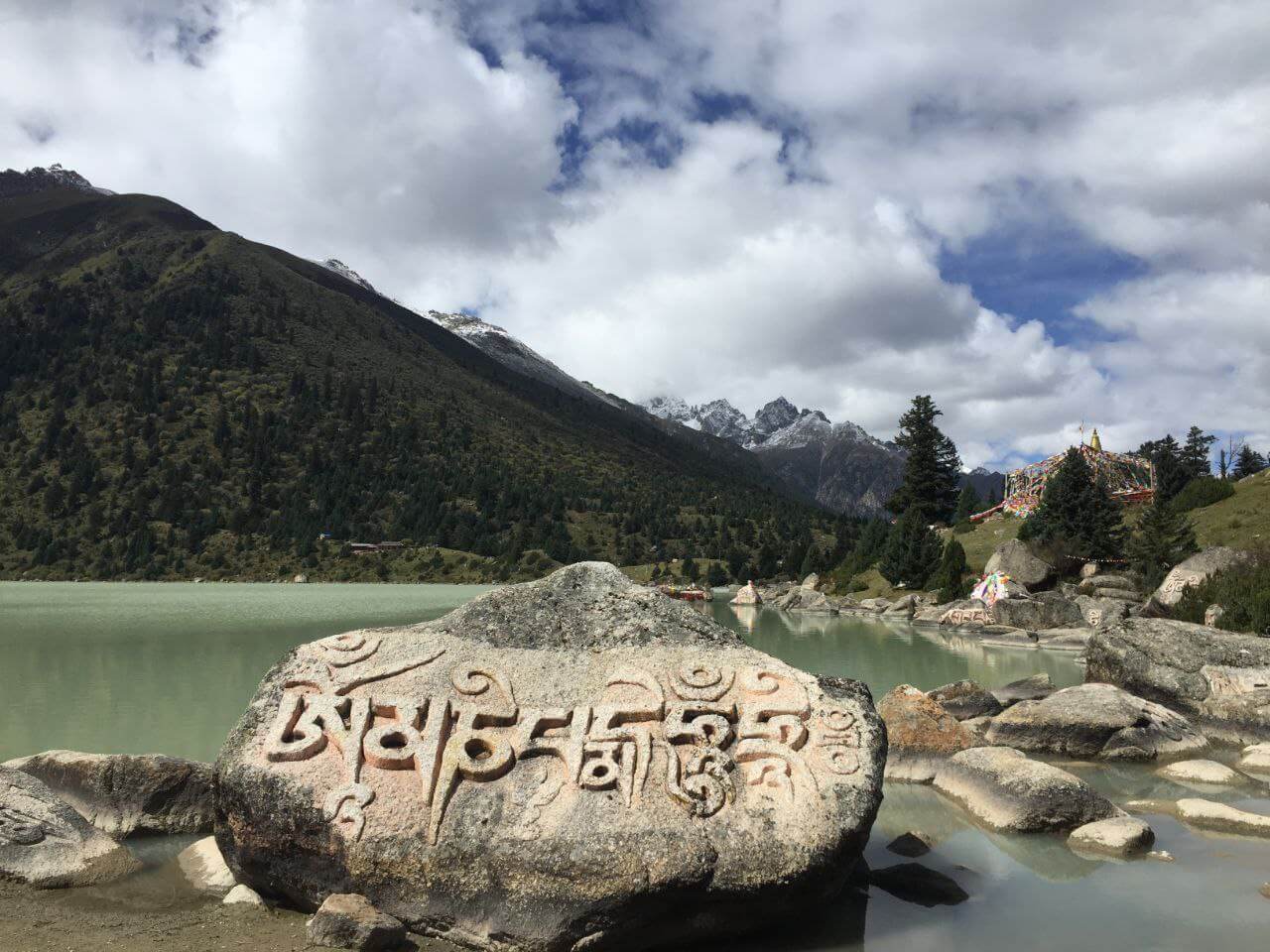
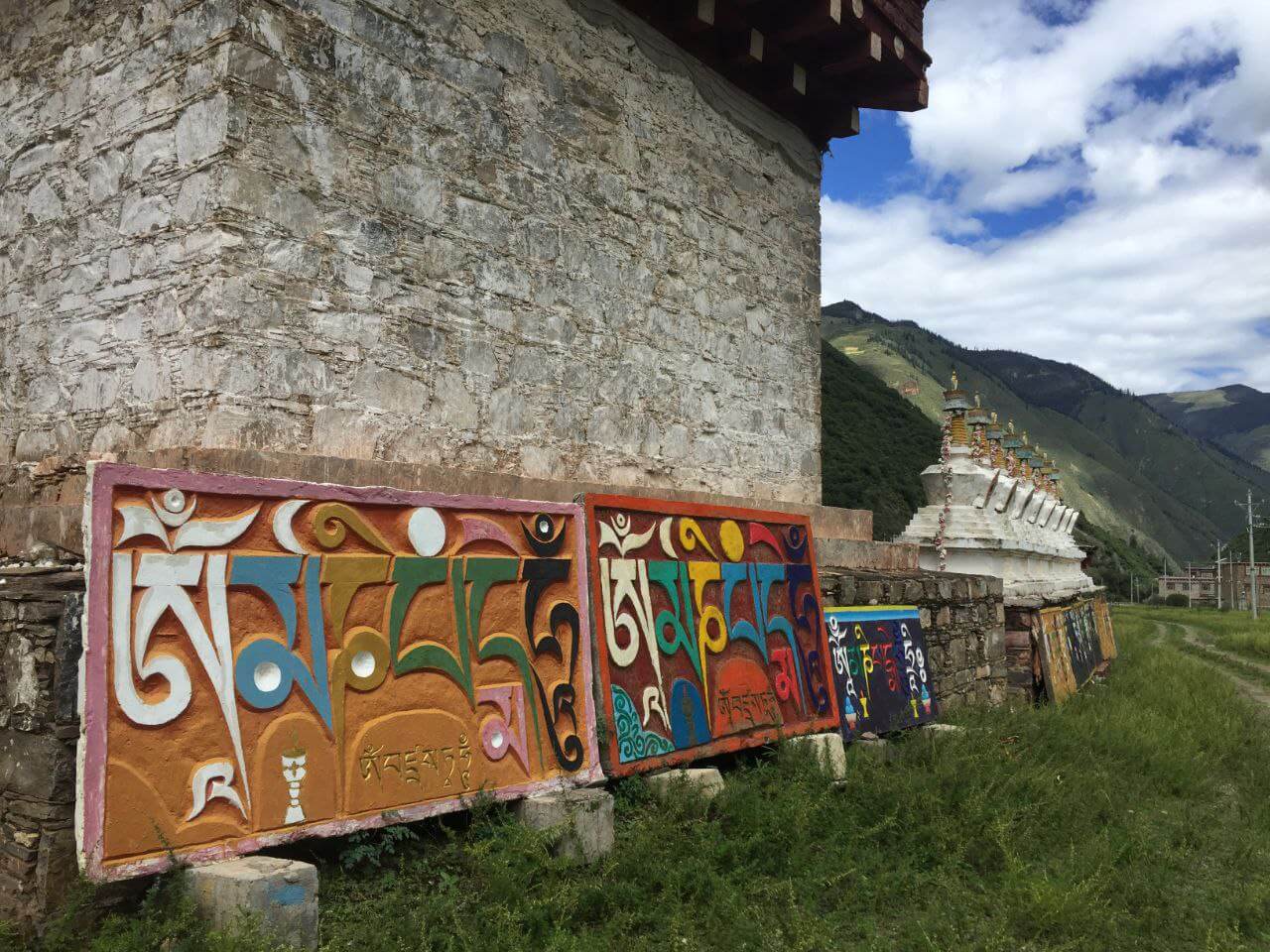
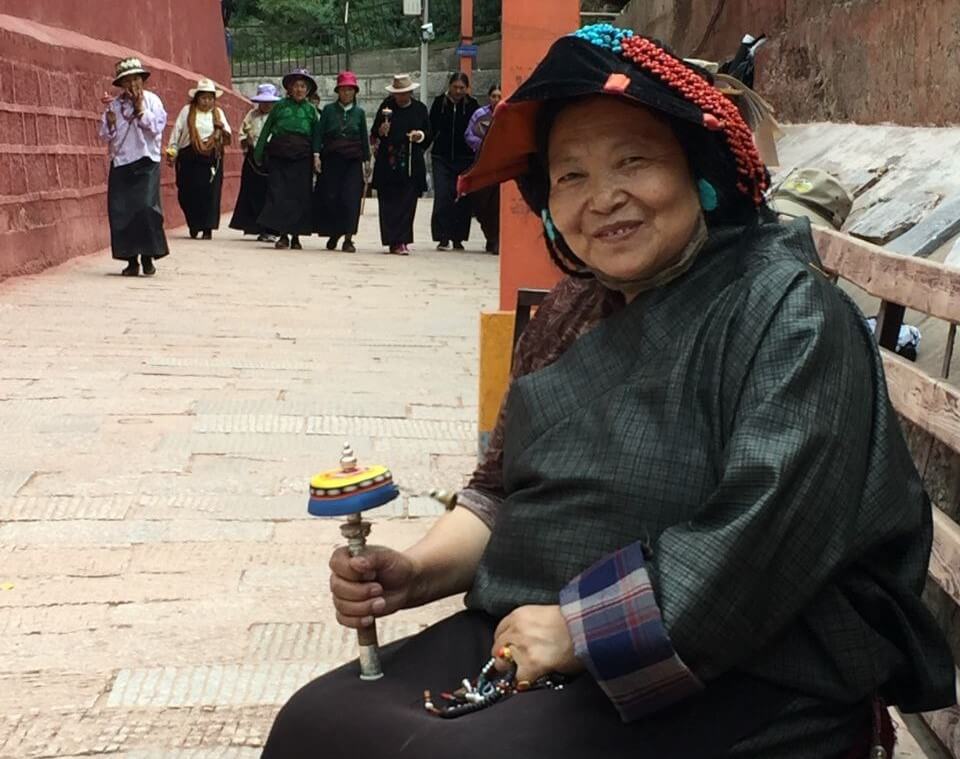
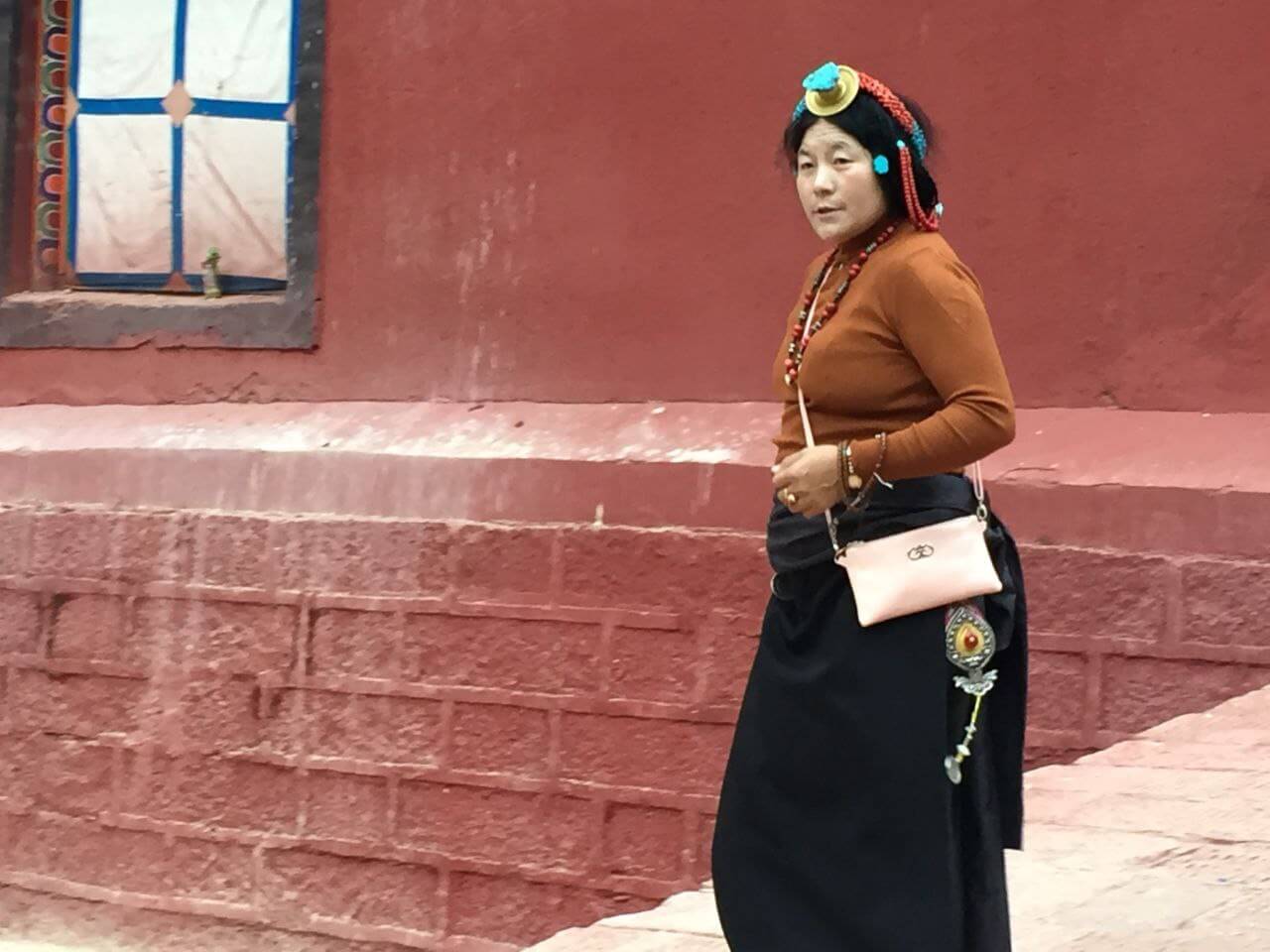
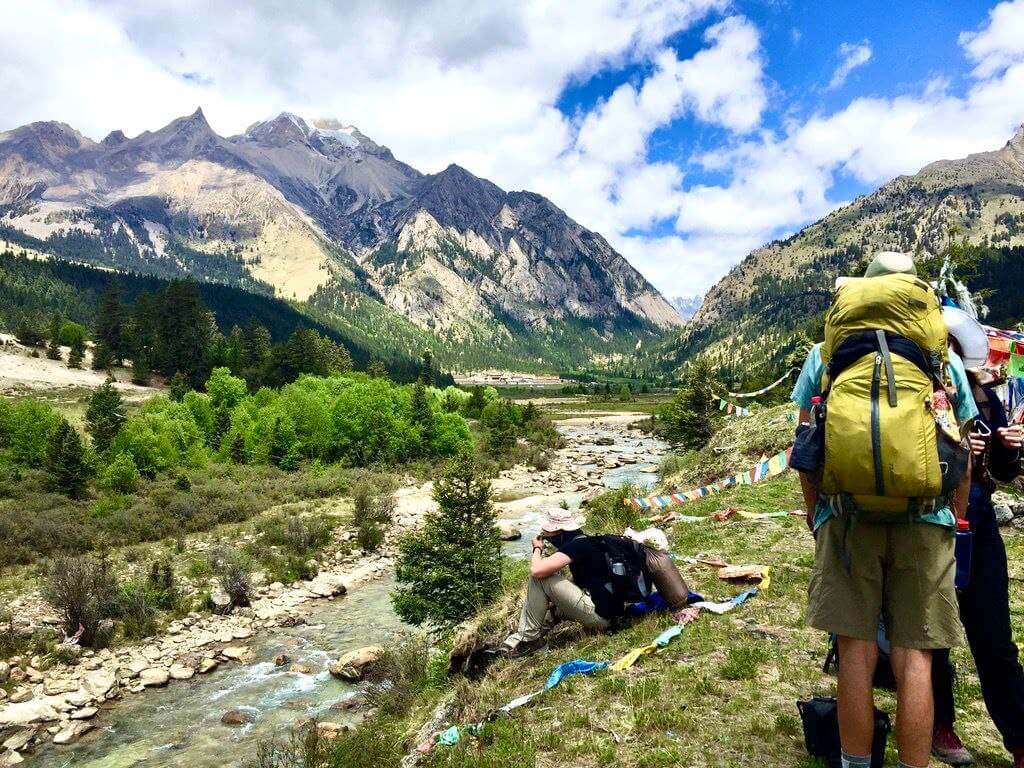
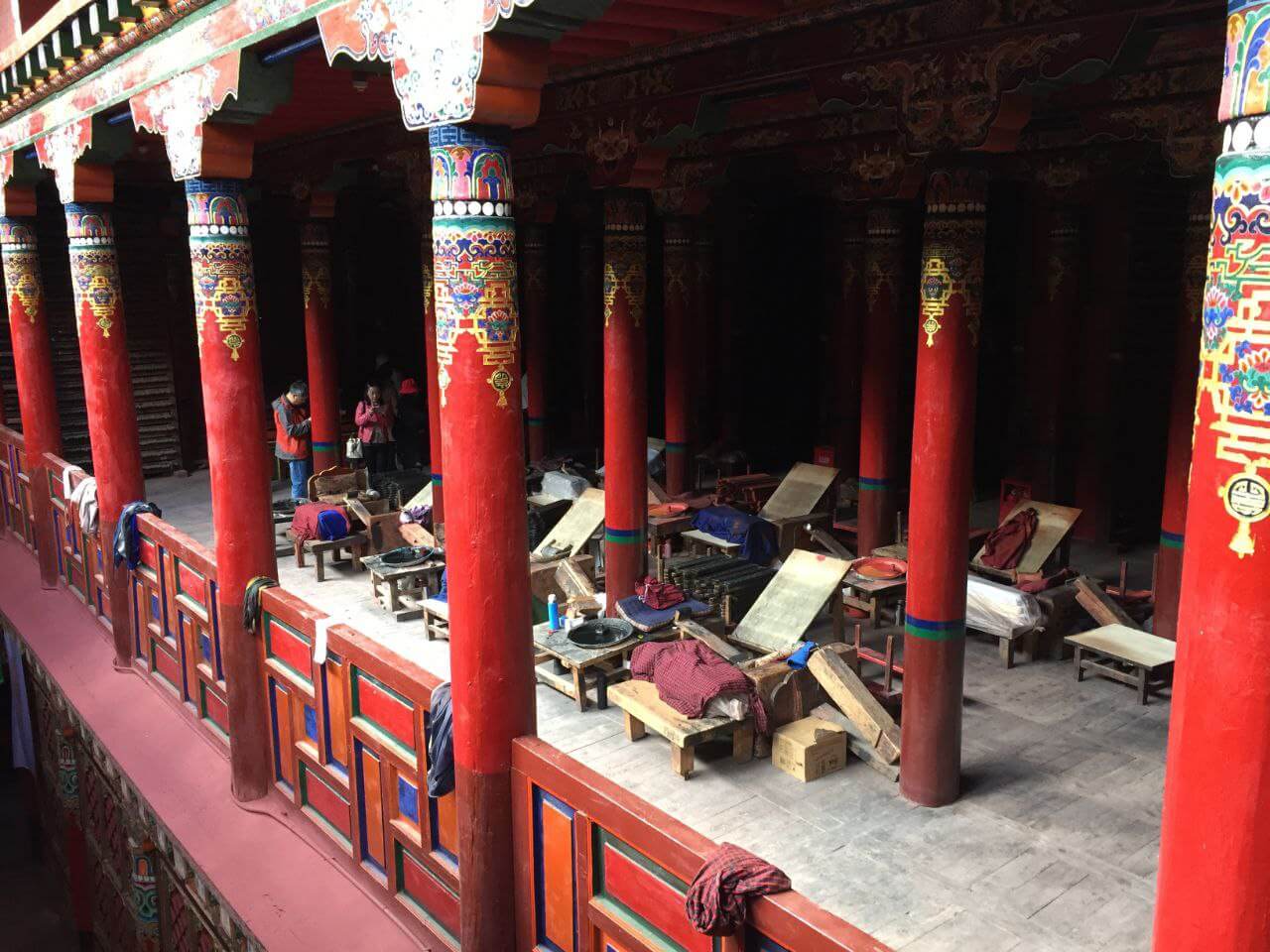
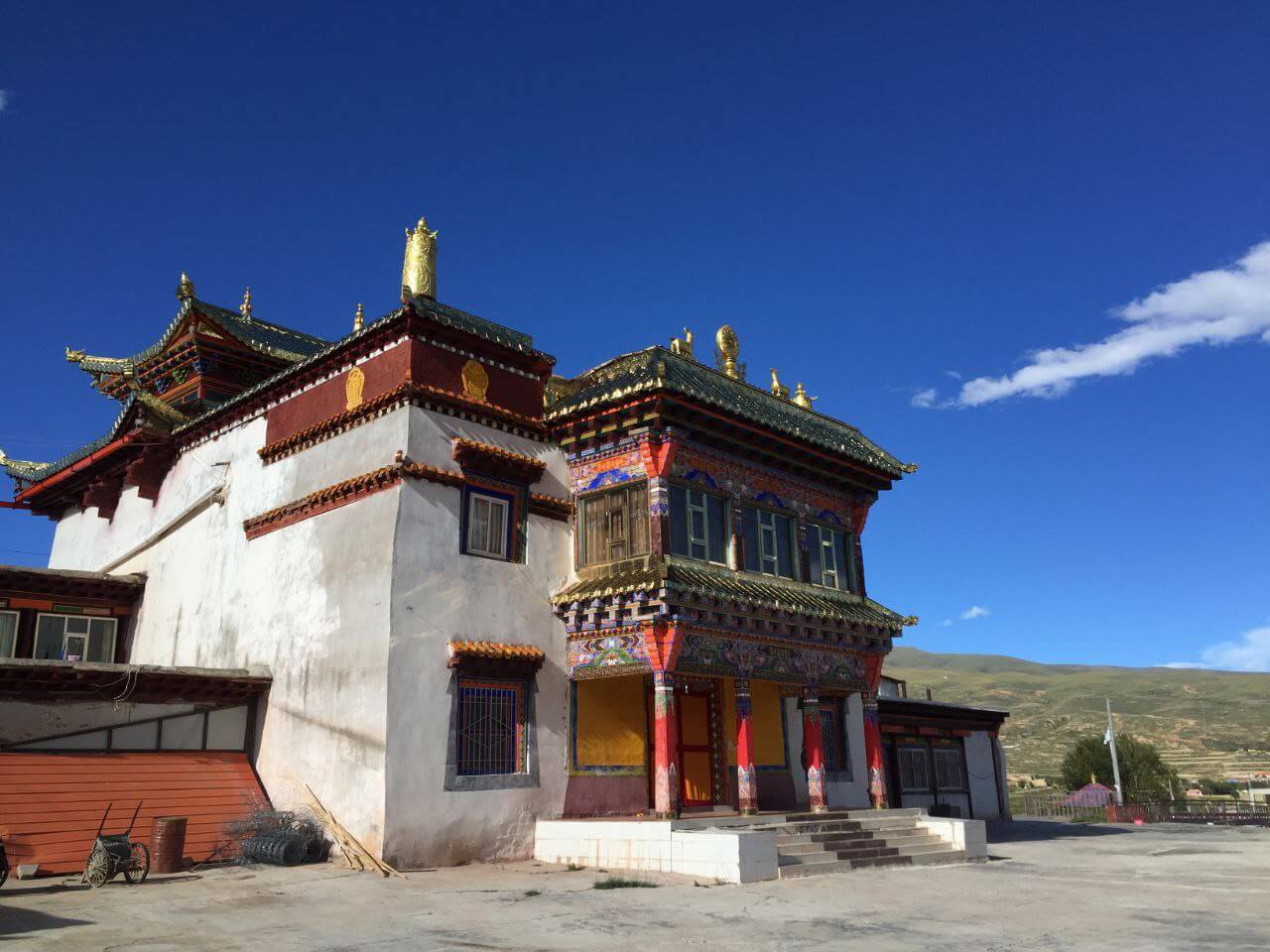
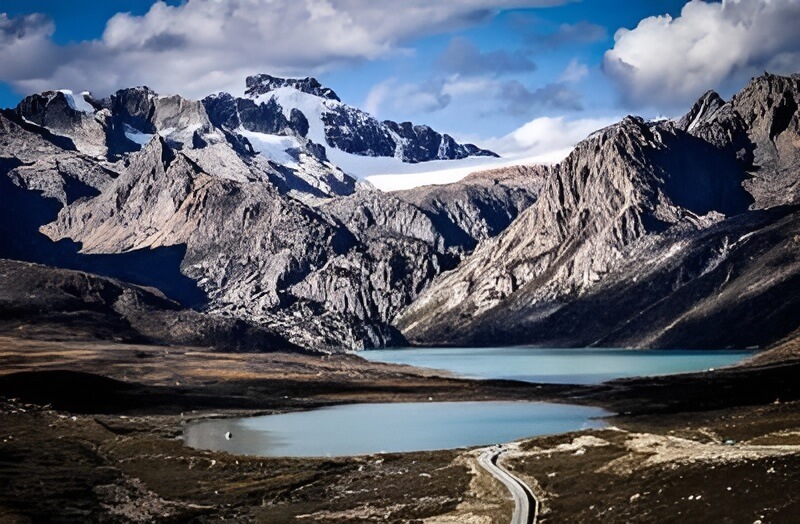
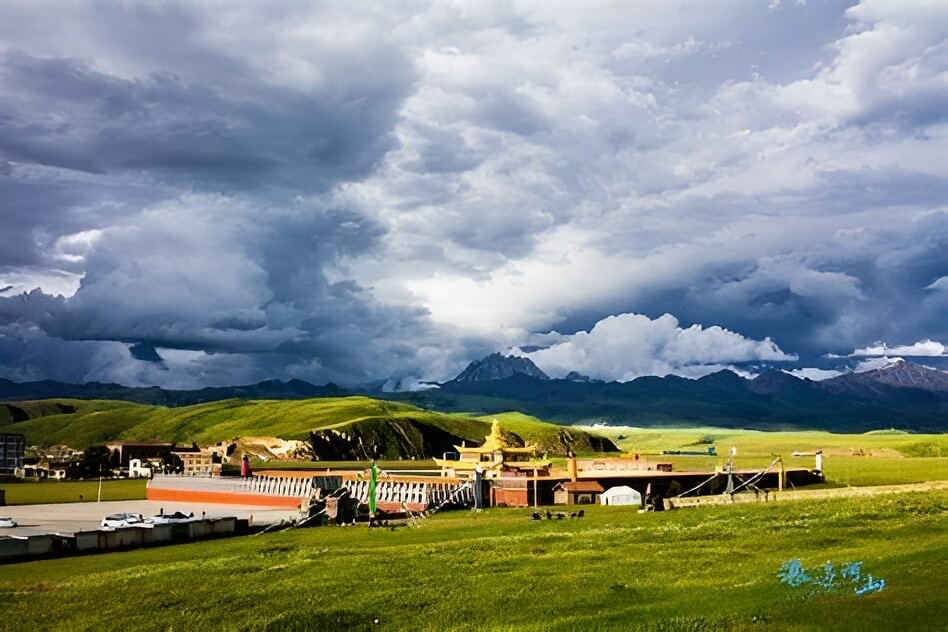
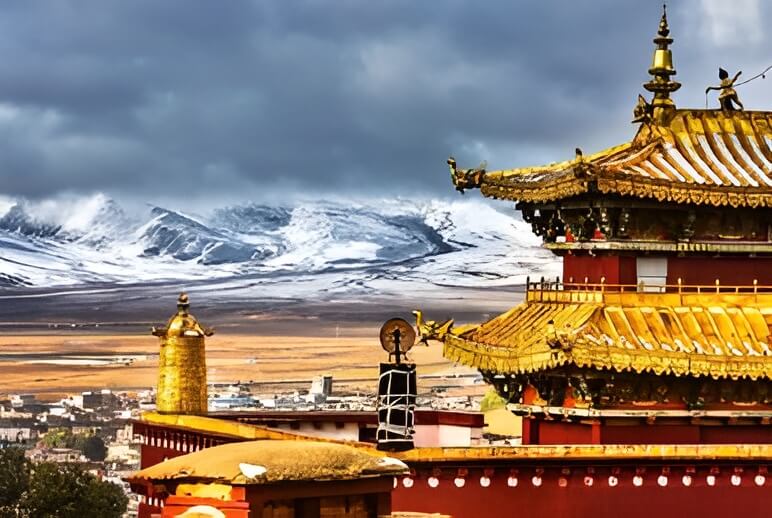
Welcome to a pilgrimage tour of Eastern Tibet in the best summer season. The Kham region we will visit is not on the usual tourist itineraries. During the tour we will visit famous monasteries of different schools of Tibetan Buddhism, Dzogchen, Dzongsar and Palpung, the largest printing house of Dergue, picturesque Litang valleys, mountain lakes and springs, ancient temples, caves of yogis and settlements of ordinary Tibetans. In Kham, ancient traditions and culture are preserved as much as possible, there are no ostentatious activities for tourists, so you can really enjoy the local life.
It is possible to fly to China from your own country or from Kathmandu. Citizens of Kazakhstan and Georgia do not need a visa to visit Sichuan province, where we are going. Other countries can apply for a visa at the Chinese consulates and embassy of their country or the embassy of Kathmandu (Nepal). All questions on ticket purchase and visa processing can be inquired in person at the contacts listed.
Tour cost for a group $3000/person (with early booking $2700).
Highlilghts Of The Trips
Day 1. Arrival in Kangding, transfer to Draggo.
Day 2. Transfer to Kardze. Visit to the old monastery and Kardze Gongchen.
Day 3. Transfer to Dzogchen with a visit to Dargye Monastery.
Day 4. Day in Dzogchen valley. The surrounding area and caves.
Day 5. Transfer to Derghe. Visit to Derghe Parkang and Derghe Gongchen Monastery.
Day 6. Transfer to Dzongsar. Visit to Palpung and Dzongsar monasteries.
Day 7. Transfer to Palyul. Visit Katok and Palgyul monasteries.
Day 8. Transfer to Litang. Visit monasteries.
Day 9. Pilgrimage to the sacred mountain Genyen. Trek to the old monastery and bathing in hot springs.
Day 10. Transfer to Tagong.
Day 11. Departure from Kangding airport.
What's Included In The Cost
- Accompaniment of local Tibetan and Russian speaking guides
- All transfers and private transportation
- All permits and permits
- Entrance tickets
- All official work and taxes
- Travel insurance
- Accommodation in 2-bed rooms (conditions depend on the region, in cities 3* hotels, in remote regions gesthouses)
- Meals on the basis of the hotel (always includes breakfast, in some places lunch or dinner)
What's Not Included In The Cost
- Flights to Chengdu and Kangding. (assistance with ticket purchase is available)
- Chinese visa (assistance with visa application)
- Extra meals outside the hotels
- Tips for guide, drivers, staff
- Single room accommodation
- Additional accommodation before and after the tour
- Extra transportation in case of unforeseen circumstances (helicopter, extra days spent on the route)*
Trip Detail Itinerary
Kanding Airport is very scenically located in the mountains of the Minyak region. Due to its high location, the surrounding mountain peaks can be seen. Once you land at this airport, it will mean that you are already on the Tibetan plateau. Today, we will be driven across the high mountain pastures of Minyak district. On the way we will visit Lhagang Temple, a very old temple with impressive stupas at the back of the temple. Lhagang is a small but very interesting town with beautiful, historical and ancient temples and its surroundings. It also offers a spectacular view of Mount Shakdrag (also known as Mount Yala). Next, we will travel to Drakgo via Tawa. The relatively low altitude and location made the Tavu valley a thriving part of the plateau where Chinese migrants moved to. At the top of the hill we can visit the Nyitso Monastery, built by Mongolian troops and belonging to the Gelug school. Finally on arrival in Drakgo (translates as “head of the rock” because of its strategic location) we will visit an old fortress and monastery that was once the largest in Kham east of Lithang and Kardze.
Overnight at Drakgo.
Today we will visit the monastery of Kardze Gonchen. Kardze Monastery was built by the Khosot Mongols around 1642 on a hilltop overlooking their fortresses of Mazur and Khangsar. It once housed 1,500 monks, making it the largest in Kham along with Chamdo, and the pilgrimage route around the monastery was nearly 8 kilometers long. Since 1981, the monastery has undergone extensive renovation and now it once again towers over the town. It is now home to about 700 monks and three tulkus, including Lamdrak Rinpoche, who has recently returned from Switzerland and founded a local girls’ school. Overnight in Kardze.
Today we will travel to the Dzogchen Valley to visit one of the most famous monasteries in Tibet. On the way we will visit Dargye Monastery. Leaving Denma, the road passes through the village of Yartsa, where there is a hot spring, and after 6 km it passes through a tree-lined alley to Dargye Gonpa in Khargang township. This monastery, representing the Gelukpa school and founded in 1642, is the oldest of all 13 so-called Khorpa monasteries founded by the victorious Mongol troops of Gushi Tsang in the 17th century.
Overnight in the valley of Dzogchen Monastery.
Dzogchen is recognized as the premier pilgrimage site in Eastern Tibet and one of the largest monasteries of the Nyingma school in Kham. It is situated at an altitude of 4,023 meters, in the hidden valley of Rudam Kitram, with the jagged snowy peaks of Dorje Ziltrom Mountain (5,816 m) rising above it from the southwest. The monastery was founded in 1684-1685 on the advice of the Fifth Dalai Lama by the charismatic First Dzogchen Pema Rigdzin (1625-1697) and subsequently maintained by his disciples, including Shechen Rabjam Tenpe Gyeltsen and his later incarnations. The monastery is also known for its meditation caves, which were inhabited by hermits in the upper Rudam Kitram valley. Eminent personalities such as Dodrub Trinle Ozer (1745-1821), Do Khyentse Yeshe Dorje (b. 18oo), Patrul Rinpoche and Mipam Rinpoche spent many years in meditation in this region, whose cliffs are closely associated with their visionary experiences. This is also where Patrul Rinpoche wrote his great commentary on the preliminary practices of Buddhist meditation, “Kunzang Lamei Shalung” (translated as “Words of My Perfect Teacher”). We will have a full day to explore the monastery and the caves where the great masters meditated.
Overnight in the valley of the Dzogchen monastery.
Derge Gonchen was once the capital of the largest and most influential of the five kingdoms of Kham. Derghe’s handicrafts, especially printing and metal working, were known throughout Tibet. The independence of the kingdom was firmly maintained until 1865. The town still has a predominantly Tibetan population, which increases significantly in the summertime when visitors from all over Kham come for the rainy season festival. Derge Parkhang, the largest printing house, was founded in 1729 and completed in 1750 during the reign of his successors. Works of the Nyingma, Kagyu and Geluk schools were printed alongside those of Sakyapa, as were texts on non-Buddhist topics such as medicine, divination, history, grammar and biographies.
Overnight in the Derge.
Today we visit the great monasteries of the Sakya school. Dzongsar was founded in 1253 by Drogon Chogyel Pakpa, although the same site appears to have been the site of the older Nyingma and Kadampa monasteries. The buildings were renovated in the 19th century, and in 1871 the off-sectarian master Jamyang Khyentse Wangpo (1820-1892) built a small temple on the sandy plain below the hillside. Later, in 1918, a college known as Dzongsar Khamje Shedra was built next to this temple, which was built by his successor, Dzongsar Khyentse Chokyi Lodro (1896-1959). These two teachers are among the best known in Tibet and beyond and are the lineage holders of the combined Sakya, Nyingma and Kagyu traditions in Eastern Tibet. Under their inspiring leadership, Dzongsar became one of the most vital and active colleges in all of Tibet in the 19th and 20th centuries, with 23 widely scattered branches.
Overnight near Dzongsar.
We continue to explore the monasteries of Eastern Tibet that were important to the Kagyu and Nyingma schools. Katok Dorjeden Monastery was founded in 1159 by Katok Dampa Deshek (1122-1192). Directly below it is a large boulder in which the local Bon deity is said to have been locked up during the founding of the monastery. Palyul (3150 m) is a large and rapidly developing town with a significant Chinese population. Chinese traders and gold miners fill the streets along with the somewhat incongruous Khampa people. A little higher up the hill is the Traditional Tibetan Medicine Hospital and its college, led by Dr. Phuntsok Rabten, who struggles heroically to provide services that are in high demand by the local Tibetan population.
Overnight in Palyul.
Today we will drive to Litang with a visit to the birthplace of the 7th Dalai Lama and Litang Chode Monastery. Litang County occupies the high Puborgang Range, which forms the watershed between the Yangtze in the Batang area and the lower basin of the Nyachu (Yalong) River. The high altitude Litang is historically a place of Tibetan nomads and a place sung in the songs of the 6th Dalai Lama, considered a very picturesque place with endless yak pastures.
Overnight in Litang
Near Litang is the sacred lotus-shaped mountain Genyen (peak height 6174 m). Here we will visit an old monastery located right at the foot of the snowy mountain (you have to walk up for about 2 hours). If you wish, you can stay below and enjoy the valley of the monastery. There are wonderful hot springs in the village. The valleys and lakes of this part of Tibet are still not fully explored and provide an opportunity to explore the hidden corners of Tibet.
Overnight in a local village or Litang.
We transfer today from Litang to Tagong. This is a small town with beautiful views of the sacred Shakdrak Mountain and ancient monasteries. After visiting the monasteries, we will spend the rest of the day in the pastures for a traditional Tibetan picnic. A great time to relax before the road and share impressions.
Overnight in Tagong.
After a short transfer to one of the highest altitude airports in the world, we head back home full of blessings and energy from the trip.
Information You Need To Know
Additional Information You Need To Know
Before embarking on your pilgrimage tour of Eastern Tibet, it’s important to consider a few key details. Due to the high altitudes (up to 4,023 meters), acclimatization is essential to prevent altitude sickness, so we recommend arriving a few days early. Ensure your travel insurance covers high-altitude activities, and pack warm clothing, layered outfits, good walking shoes, and personal medications. Cash in Chinese Yuan (RMB) is advisable, as small shops may not accept credit cards, and connectivity may be limited in remote areas. Respect local customs, especially in sacred sites, and be prepared to try local cuisine, informing organizers of any dietary restrictions in advance. The group size is kept small for a more intimate experience, and the itinerary may change due to weather or other unforeseen events. Participants should be in reasonable physical condition for daily travel and moderate hiking. Finally, we encourage feedback after the tour to help improve future experiences. Feel free to reach out with any questions or concerns!
Frequently Asked Question
No, flights to Chengdu and Kangding are not included in the tour price. However, assistance with ticket purchase is available.
Citizens of Kazakhstan and Georgia do not need a visa for Sichuan province. Other travelers must apply for a visa at their country’s Chinese consulate, embassy, or the embassy in Kathmandu, Nepal.
Pack warm clothing for cooler evenings, layered outfits, comfortable walking shoes, personal medications, sunscreen, a hat, sunglasses, and a reusable water bottle.
While travel insurance is included in the tour price, we recommend ensuring it covers high-altitude trekking and any specific activities you plan to engage in during your free time.
The tour involves daily travel and some moderate hiking. Participants should be in reasonable physical condition to enjoy the experience.
Meals typically include local Tibetan cuisine and may vary by region. Breakfast is included in your accommodation, and some places provide lunch or dinner. If you have dietary restrictions, please inform the organizers in advance.
Yes, the tour emphasizes authentic local experiences, allowing you to engage with ordinary Tibetans and enjoy their culture.
Internet and mobile connectivity may be limited in remote areas. It’s advisable to download important maps and information before the trip.
If you end the tour before the agreed time, no refunds will be provided, except for changes in the itinerary agreed upon with the organizers due to unforeseen circumstances.
Yes, additional costs may include flights to Chengdu and Kangding, Chinese visa fees, extra meals outside the hotels, tips for guides and drivers, single room accommodations, and any unforeseen transportation needs.
Review Scores
Book This Trip
Eastern Tibet Tour
Book This Trip
Trip Overview
Welcome to a pilgrimage tour of Eastern Tibet in the best summer season. The Kham region we will visit is not on the usual tourist itineraries. During the tour we will visit famous monasteries of different schools of Tibetan Buddhism, Dzogchen, Dzongsar and Palpung, the largest printing house of Dergue, picturesque Litang valleys, mountain lakes and springs, ancient temples, caves of yogis and settlements of ordinary Tibetans. In Kham, ancient traditions and culture are preserved as much as possible, there are no ostentatious activities for tourists, so you can really enjoy the local life.
It is possible to fly to China from your own country or from Kathmandu. Citizens of Kazakhstan and Georgia do not need a visa to visit Sichuan province, where we are going. Other countries can apply for a visa at the Chinese consulates and embassy of their country or the embassy of Kathmandu (Nepal). All questions on ticket purchase and visa processing can be inquired in person at the contacts listed.
Tour cost for a group $3000/person (with early booking $2700).
Highlilghts Of The Trips
Day 1. Arrival in Kangding, transfer to Draggo.
Day 2. Transfer to Kardze. Visit to the old monastery and Kardze Gongchen.
Day 3. Transfer to Dzogchen with a visit to Dargye Monastery.
Day 4. Day in Dzogchen valley. The surrounding area and caves.
Day 5. Transfer to Derghe. Visit to Derghe Parkang and Derghe Gongchen Monastery.
Day 6. Transfer to Dzongsar. Visit to Palpung and Dzongsar monasteries.
Day 7. Transfer to Palyul. Visit Katok and Palgyul monasteries.
Day 8. Transfer to Litang. Visit monasteries.
Day 9. Pilgrimage to the sacred mountain Genyen. Trek to the old monastery and bathing in hot springs.
Day 10. Transfer to Tagong.
Day 11. Departure from Kangding airport.
What's Included In The Cost
- Accompaniment of local Tibetan and Russian speaking guides
- All transfers and private transportation
- All permits and permits
- Entrance tickets
- All official work and taxes
- Travel insurance
- Accommodation in 2-bed rooms (conditions depend on the region, in cities 3* hotels, in remote regions gesthouses)
- Meals on the basis of the hotel (always includes breakfast, in some places lunch or dinner)
What's Not Included In The Cost
- Flights to Chengdu and Kangding. (assistance with ticket purchase is available)
- Chinese visa (assistance with visa application)
- Extra meals outside the hotels
- Tips for guide, drivers, staff
- Single room accommodation
- Additional accommodation before and after the tour
- Extra transportation in case of unforeseen circumstances (helicopter, extra days spent on the route)*
Trip Detail Itinerary
Kanding Airport is very scenically located in the mountains of the Minyak region. Due to its high location, the surrounding mountain peaks can be seen. Once you land at this airport, it will mean that you are already on the Tibetan plateau. Today, we will be driven across the high mountain pastures of Minyak district. On the way we will visit Lhagang Temple, a very old temple with impressive stupas at the back of the temple. Lhagang is a small but very interesting town with beautiful, historical and ancient temples and its surroundings. It also offers a spectacular view of Mount Shakdrag (also known as Mount Yala). Next, we will travel to Drakgo via Tawa. The relatively low altitude and location made the Tavu valley a thriving part of the plateau where Chinese migrants moved to. At the top of the hill we can visit the Nyitso Monastery, built by Mongolian troops and belonging to the Gelug school. Finally on arrival in Drakgo (translates as “head of the rock” because of its strategic location) we will visit an old fortress and monastery that was once the largest in Kham east of Lithang and Kardze.
Overnight at Drakgo.
Today we will visit the monastery of Kardze Gonchen. Kardze Monastery was built by the Khosot Mongols around 1642 on a hilltop overlooking their fortresses of Mazur and Khangsar. It once housed 1,500 monks, making it the largest in Kham along with Chamdo, and the pilgrimage route around the monastery was nearly 8 kilometers long. Since 1981, the monastery has undergone extensive renovation and now it once again towers over the town. It is now home to about 700 monks and three tulkus, including Lamdrak Rinpoche, who has recently returned from Switzerland and founded a local girls’ school. Overnight in Kardze.
Today we will travel to the Dzogchen Valley to visit one of the most famous monasteries in Tibet. On the way we will visit Dargye Monastery. Leaving Denma, the road passes through the village of Yartsa, where there is a hot spring, and after 6 km it passes through a tree-lined alley to Dargye Gonpa in Khargang township. This monastery, representing the Gelukpa school and founded in 1642, is the oldest of all 13 so-called Khorpa monasteries founded by the victorious Mongol troops of Gushi Tsang in the 17th century.
Overnight in the valley of Dzogchen Monastery.
Dzogchen is recognized as the premier pilgrimage site in Eastern Tibet and one of the largest monasteries of the Nyingma school in Kham. It is situated at an altitude of 4,023 meters, in the hidden valley of Rudam Kitram, with the jagged snowy peaks of Dorje Ziltrom Mountain (5,816 m) rising above it from the southwest. The monastery was founded in 1684-1685 on the advice of the Fifth Dalai Lama by the charismatic First Dzogchen Pema Rigdzin (1625-1697) and subsequently maintained by his disciples, including Shechen Rabjam Tenpe Gyeltsen and his later incarnations. The monastery is also known for its meditation caves, which were inhabited by hermits in the upper Rudam Kitram valley. Eminent personalities such as Dodrub Trinle Ozer (1745-1821), Do Khyentse Yeshe Dorje (b. 18oo), Patrul Rinpoche and Mipam Rinpoche spent many years in meditation in this region, whose cliffs are closely associated with their visionary experiences. This is also where Patrul Rinpoche wrote his great commentary on the preliminary practices of Buddhist meditation, “Kunzang Lamei Shalung” (translated as “Words of My Perfect Teacher”). We will have a full day to explore the monastery and the caves where the great masters meditated.
Overnight in the valley of the Dzogchen monastery.
Derge Gonchen was once the capital of the largest and most influential of the five kingdoms of Kham. Derghe’s handicrafts, especially printing and metal working, were known throughout Tibet. The independence of the kingdom was firmly maintained until 1865. The town still has a predominantly Tibetan population, which increases significantly in the summertime when visitors from all over Kham come for the rainy season festival. Derge Parkhang, the largest printing house, was founded in 1729 and completed in 1750 during the reign of his successors. Works of the Nyingma, Kagyu and Geluk schools were printed alongside those of Sakyapa, as were texts on non-Buddhist topics such as medicine, divination, history, grammar and biographies.
Overnight in the Derge.
Today we visit the great monasteries of the Sakya school. Dzongsar was founded in 1253 by Drogon Chogyel Pakpa, although the same site appears to have been the site of the older Nyingma and Kadampa monasteries. The buildings were renovated in the 19th century, and in 1871 the off-sectarian master Jamyang Khyentse Wangpo (1820-1892) built a small temple on the sandy plain below the hillside. Later, in 1918, a college known as Dzongsar Khamje Shedra was built next to this temple, which was built by his successor, Dzongsar Khyentse Chokyi Lodro (1896-1959). These two teachers are among the best known in Tibet and beyond and are the lineage holders of the combined Sakya, Nyingma and Kagyu traditions in Eastern Tibet. Under their inspiring leadership, Dzongsar became one of the most vital and active colleges in all of Tibet in the 19th and 20th centuries, with 23 widely scattered branches.
Overnight near Dzongsar.
We continue to explore the monasteries of Eastern Tibet that were important to the Kagyu and Nyingma schools. Katok Dorjeden Monastery was founded in 1159 by Katok Dampa Deshek (1122-1192). Directly below it is a large boulder in which the local Bon deity is said to have been locked up during the founding of the monastery. Palyul (3150 m) is a large and rapidly developing town with a significant Chinese population. Chinese traders and gold miners fill the streets along with the somewhat incongruous Khampa people. A little higher up the hill is the Traditional Tibetan Medicine Hospital and its college, led by Dr. Phuntsok Rabten, who struggles heroically to provide services that are in high demand by the local Tibetan population.
Overnight in Palyul.
Today we will drive to Litang with a visit to the birthplace of the 7th Dalai Lama and Litang Chode Monastery. Litang County occupies the high Puborgang Range, which forms the watershed between the Yangtze in the Batang area and the lower basin of the Nyachu (Yalong) River. The high altitude Litang is historically a place of Tibetan nomads and a place sung in the songs of the 6th Dalai Lama, considered a very picturesque place with endless yak pastures.
Overnight in Litang
Near Litang is the sacred lotus-shaped mountain Genyen (peak height 6174 m). Here we will visit an old monastery located right at the foot of the snowy mountain (you have to walk up for about 2 hours). If you wish, you can stay below and enjoy the valley of the monastery. There are wonderful hot springs in the village. The valleys and lakes of this part of Tibet are still not fully explored and provide an opportunity to explore the hidden corners of Tibet.
Overnight in a local village or Litang.
We transfer today from Litang to Tagong. This is a small town with beautiful views of the sacred Shakdrak Mountain and ancient monasteries. After visiting the monasteries, we will spend the rest of the day in the pastures for a traditional Tibetan picnic. A great time to relax before the road and share impressions.
Overnight in Tagong.
After a short transfer to one of the highest altitude airports in the world, we head back home full of blessings and energy from the trip.
Information You Need To Know
Additional Information You Need To Know
Before embarking on your pilgrimage tour of Eastern Tibet, it’s important to consider a few key details. Due to the high altitudes (up to 4,023 meters), acclimatization is essential to prevent altitude sickness, so we recommend arriving a few days early. Ensure your travel insurance covers high-altitude activities, and pack warm clothing, layered outfits, good walking shoes, and personal medications. Cash in Chinese Yuan (RMB) is advisable, as small shops may not accept credit cards, and connectivity may be limited in remote areas. Respect local customs, especially in sacred sites, and be prepared to try local cuisine, informing organizers of any dietary restrictions in advance. The group size is kept small for a more intimate experience, and the itinerary may change due to weather or other unforeseen events. Participants should be in reasonable physical condition for daily travel and moderate hiking. Finally, we encourage feedback after the tour to help improve future experiences. Feel free to reach out with any questions or concerns!
Frequently Asked Question
No, flights to Chengdu and Kangding are not included in the tour price. However, assistance with ticket purchase is available.
Citizens of Kazakhstan and Georgia do not need a visa for Sichuan province. Other travelers must apply for a visa at their country’s Chinese consulate, embassy, or the embassy in Kathmandu, Nepal.
Pack warm clothing for cooler evenings, layered outfits, comfortable walking shoes, personal medications, sunscreen, a hat, sunglasses, and a reusable water bottle.
While travel insurance is included in the tour price, we recommend ensuring it covers high-altitude trekking and any specific activities you plan to engage in during your free time.
The tour involves daily travel and some moderate hiking. Participants should be in reasonable physical condition to enjoy the experience.
Meals typically include local Tibetan cuisine and may vary by region. Breakfast is included in your accommodation, and some places provide lunch or dinner. If you have dietary restrictions, please inform the organizers in advance.
Yes, the tour emphasizes authentic local experiences, allowing you to engage with ordinary Tibetans and enjoy their culture.
Internet and mobile connectivity may be limited in remote areas. It’s advisable to download important maps and information before the trip.
If you end the tour before the agreed time, no refunds will be provided, except for changes in the itinerary agreed upon with the organizers due to unforeseen circumstances.
Yes, additional costs may include flights to Chengdu and Kangding, Chinese visa fees, extra meals outside the hotels, tips for guides and drivers, single room accommodations, and any unforeseen transportation needs.