Kailash Kora From Nepal
Trip Overview
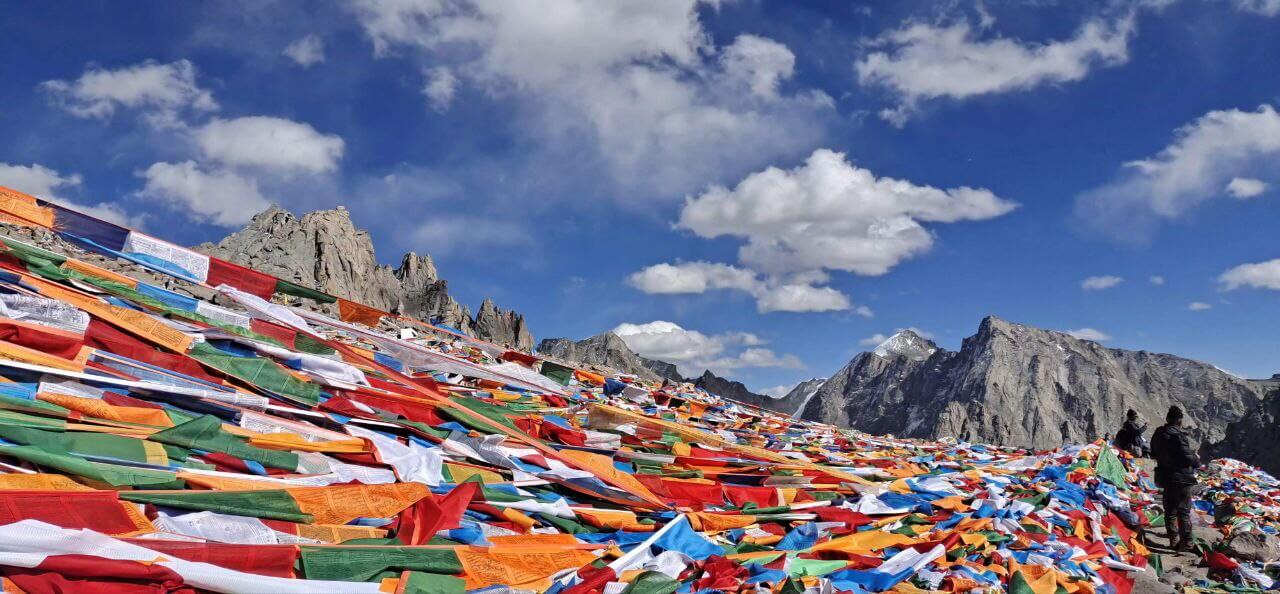
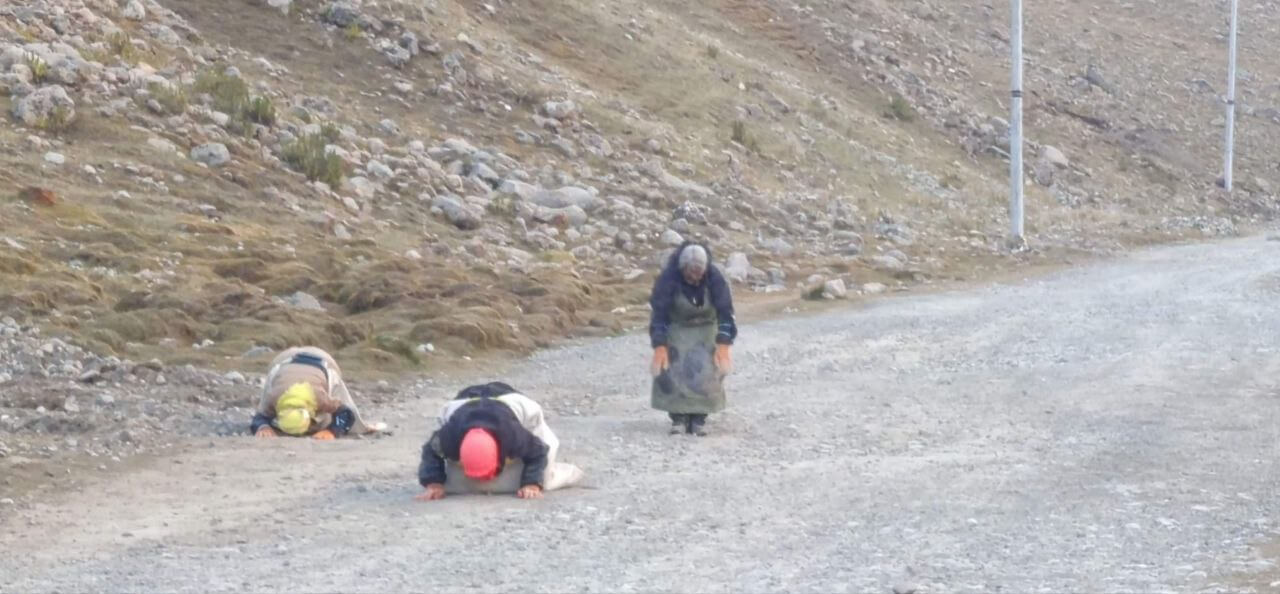
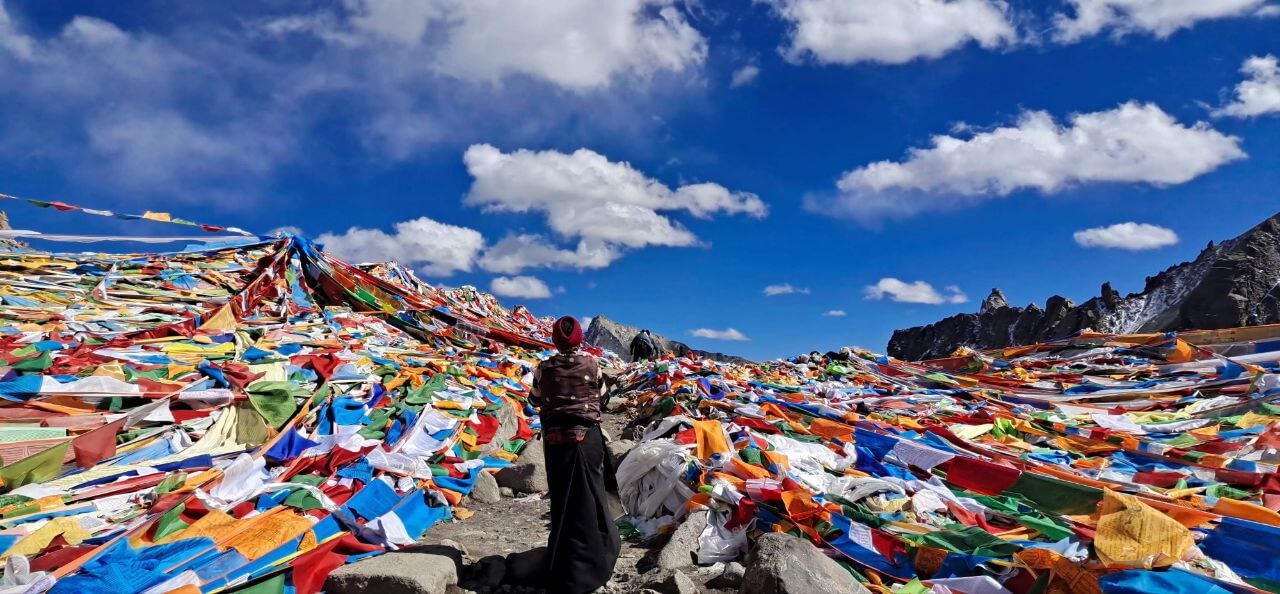
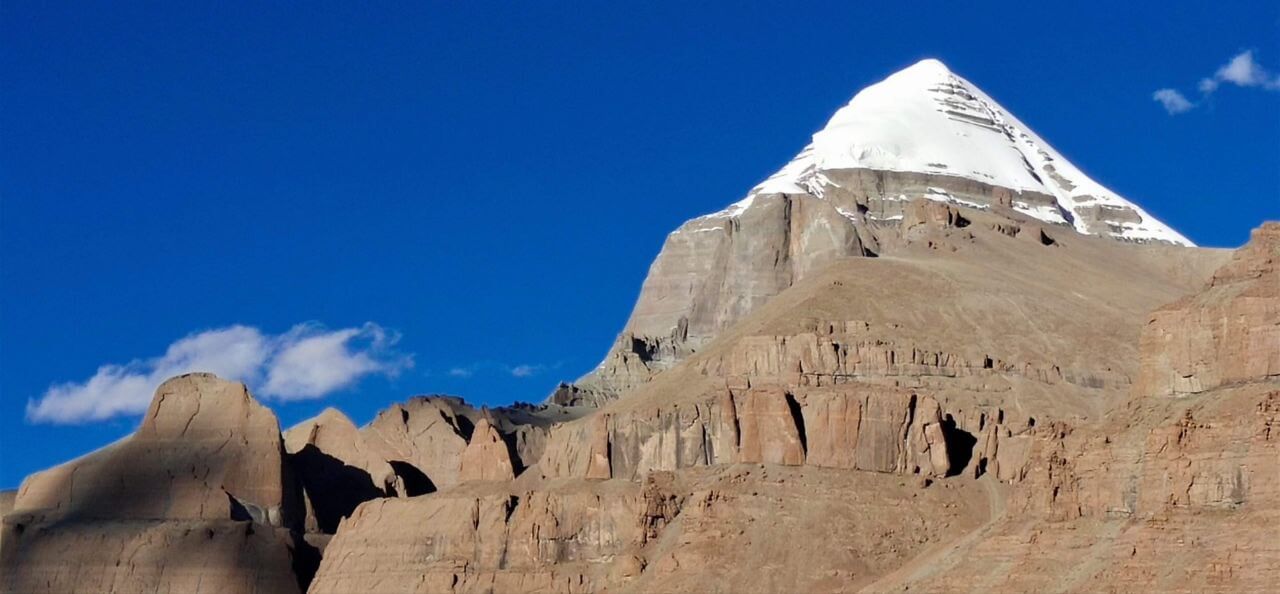
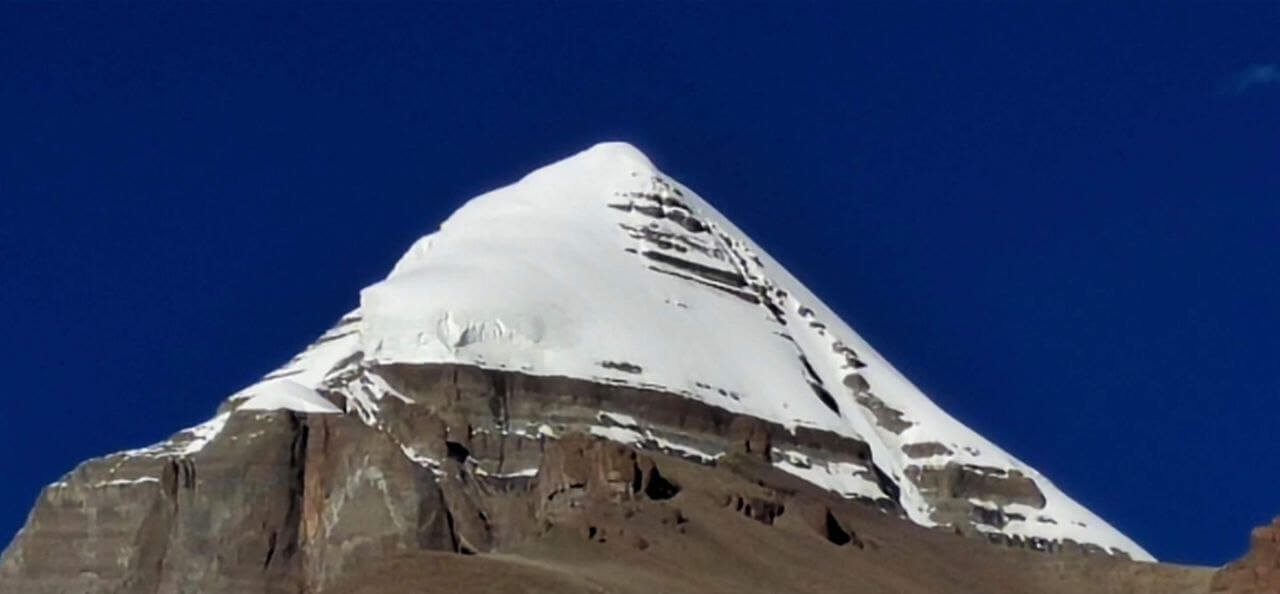
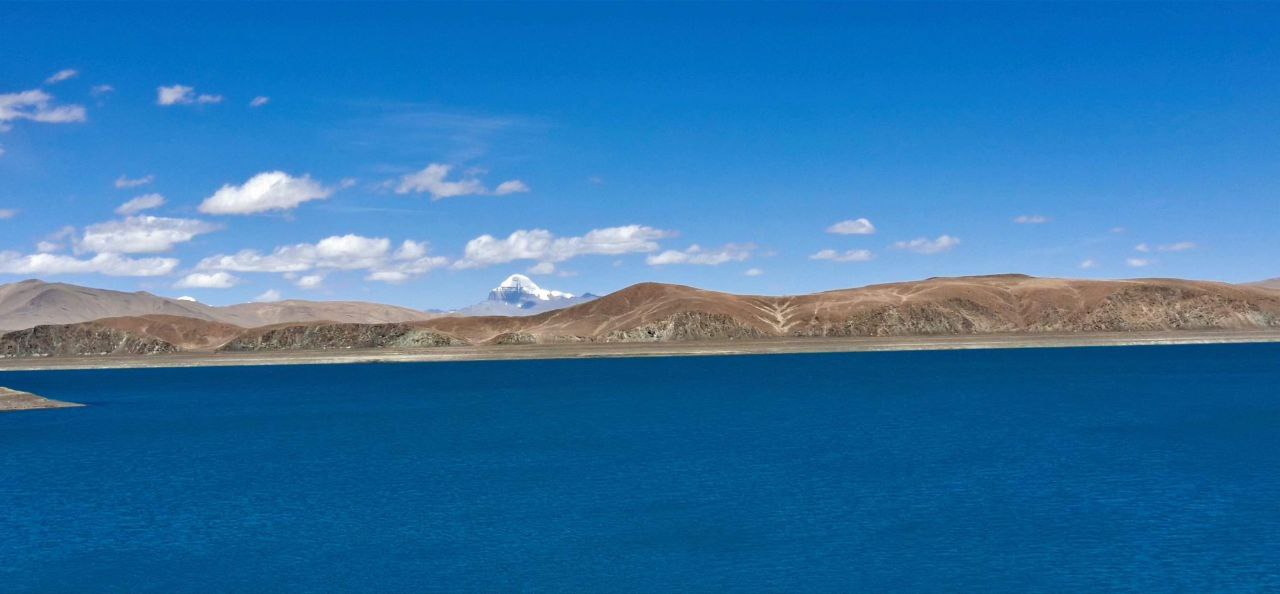
Mount Kailash, located in the western Tibet Autonomous Region of China, is the holiest site in the Himalayas and the most revered mountain in the world. That said, it still remains one of the least visited. To see Kailash is a unique opportunity available to a limited number of people. The sacred circumambulation around the mountain purifies old programs and fills with spiritual energy.
Kailash is a sacred abode of deities and wisdom from different religions, particularly Jainism, Hinduism, Bon and Buddhism. They all offer different interpretations of the sacred geography, but they all agree on one thing: Kailash is Mount Meru, the axis of the world or the center of the universe. Here the divine and earthly worlds, the individual and the cosmos come into contact. Here we come to our center in the mandala of the universe. Maybe this explains the incredible feeling of fulfillment and satisfaction that one who has made this journey at least once experiences.
Highlilghts Of The Trips
Day 1: Transfer to Kyirong
Day 2: Acclimatization in Kyirong (2800m), visit Milarepa’s cave.
Day 3: Transfer to Saga
Day 4: Transfer to Darchen
Day 5: Visit Manasarovar, overnight in Dharchhen
Day 6: Trek to Dhirapuk (4900 m), 19 km
Day 7: Acclimatization
Day 8: Dhirapkhuk – Drolma La (5620m) – Zutulphuk (4760m) – Dharchhen
Day 9: Day in Darchen
Day 10: Transfer to Saga (4500 m)
Day 11: Transfer Saga – Dhunche
Day 12: Dhunche – Kathmandu, 150 km
What's Included In The Cost
- Nepali and Tibetan guide for the entire duration of the tour
- Accommodation during the tour in lodges and hotels with breakfast and double occupancy
- Permits and permissions to visit Tibet
- All transfers by separate transportation within Tibet
- Transfers from Kathmandu to the border and back
- Payment for transportation permits
- Carriers and yaks
What's Not Included In The Cost
- Flights to and from Kathmandu
- Nepal Visa
- China visa
- Lunches and dinners (about $20 per day)
- Extra camping or an extra porter
- Personal necessities
- Tips for guide and porters, personal shopping
- Extra transportation in case of unforeseen circumstances (helicopter, extra days spent on the route)*
- Travel insurance
Trip Detail Itinerary
In the morning, we move to the Nepal-Tibet border, en route to enjoy scenic views of waterfalls and rushing streams of Trishuli Valley, Langtang mountain range and Himalayan gorges. After paperwork formalities at the border, we arrive in Kyirong, a town on the Nepal-Tibet border, located on the eastern bank of the Kyirong Tsangpo River, which gives rise to one of Nepal’s largest rivers, the Trishuli. Once an important staging post on the trade route between India and China, it is now a small cozy town welcoming pilgrims with a mix of Tibetan and Nepalese culture, cuisine and traditions.
Today we stay in Kyirong for acclimatization and preparation for further climbing. Our first immersion into Tibetan culture awaits us with stunning views of Langtang and Ganesh Khimal. We will visit the historic Paba Monastery (2850m), which was built by the first Buddhist king of Tibet, Songtsen Gampo, at the request of his consort, Nepalese Princess Bhrikuti. The monastery is noted for its skillful paintings on the walls in the Nevar style. The living tradition of Tibetan Buddhism warms amidst the rugged mountain peaks. We will also visit the cave of Jetsun Milarepa, the great Tibetan yogi who achieved enlightenment in one lifetime and in one body. Milarepa is also considered one of the key figures in the formation of Tibetan Buddhism, who “reclaimed” Kailash from the followers of the Bon.
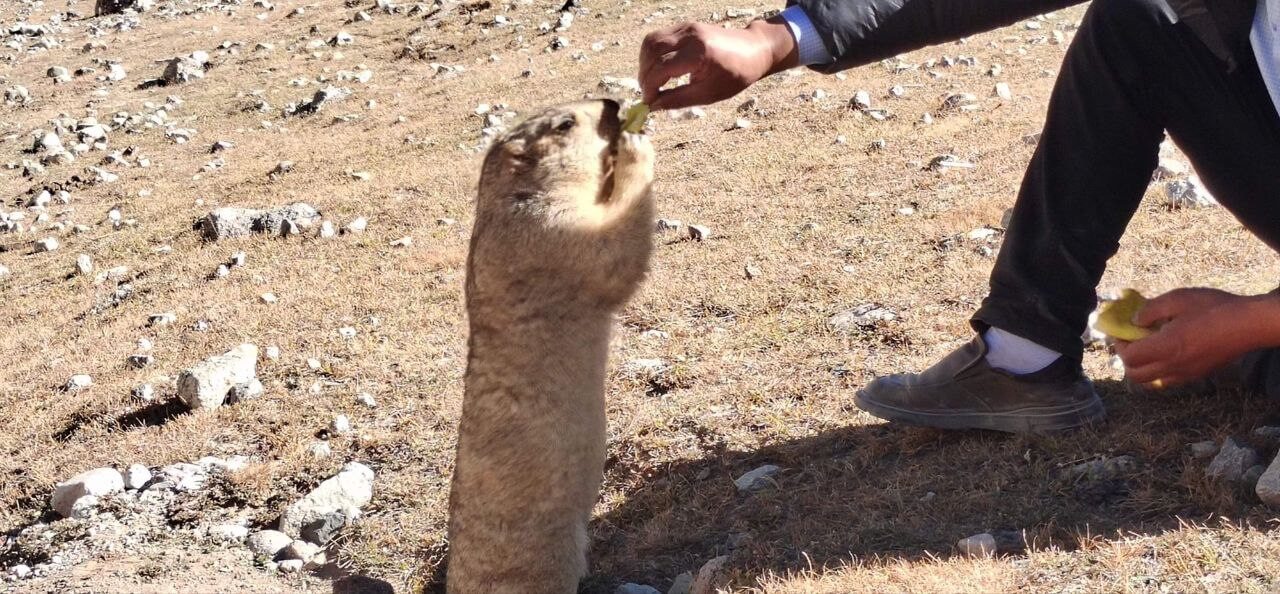
After breakfast, we will start our journey to the “happy land” of Saga, which lives up to its name and welcomes all pilgrims with its hospitable spirit. Along the way, we will ascend through the Ghantu-La Pass (5226 m), which offers incredible views of the sacred Brahmaputra River, originating from the icy peaks of Kailash. Among the many mountain gems, one of the highest peaks of Shisha Pangma and the “turquoise lake” Peiku Tso are among the many gems that open up to the mesmerized eye. Wild donkeys, mountain antelopes and other typical fauna of the Tibetan highlands are also encountered along the way. We will spend the night in Saga.
In the morning, we will leave for Darchen, which is also called the “base camp of Kailash”. For as much as three hundred years, the place has been in possession of Bhutan. It was once a deserted place where mostly rare nomads could be seen. But with the development of tourism in the Kailash area, the town conveniently located at the foot of the mountain has become the starting point for pilgrimage to the kora. You can’t yet see Kailash from Darchen, but you can already feel its power and tantalizing energy. We will spend the night here in awe of the majesty of the sacred mountain and in anticipation of the journey ahead. Staying in Dharchhen instead of Manasarovar is much more comfortable and preserves more energy before the upcoming detour around Kailash.
After resting at Darchen, in the morning we will head to the most sacred lake of Tibet -Manasarovar. It is the antipode of the lake of “dark forces” – Rakshasa. Numerous Indian pilgrims come to Kailash just to take a dip in this lake and achieve liberation. Ritual ablution in it purifies all negative karma and bestows blessings for long life and good fortune. Tibetans usually avoid taking a complete dip in the sacred body of water, which they call Mapam-Yumtso. It is considered great luck for them to collect some sacred water or sand from the lake, and to find fish that have been thrown ashore. Such fish is considered a medicine and a liberating substance. After puja and meditation on the shores of the lake, we will make blissful aspirations and return to Dharchhen for the night, filled with the divine purity of the “lake of the mind”.
After breakfast, we will be transferred to the starting point of the trek. The trek passes through beautiful hills with waterfalls and endless blue sky overhead. The highlight is the encounter with the northern face of Kailash. While trekking through the mountain gorges, one can reflect on how in life too, we overcome all obstacles through discipline and positive attitude. We can shed the weight of accumulated worries and enjoy the beauty of the present moment. The monasteries and caves encountered along the way are awe-inspiring and delightful in their age-old artistry.
After welcoming the most beautiful sunrise with a view of Kailash, we will continue exploring the surroundings. A day of rest and acclimatization in Dhirapuk awaits us, which will allow us to gain strength before the most difficult part of the route, the Drolma-La Pass. We can dedicate this day to a journey deep within ourselves, motivated by the majestic presence of Kailash. Conscious walking, meditation and breathing practices will help to know ourselves better and prepare for the next day. In the evening, we will share our reflections and insights in a cozy circle.
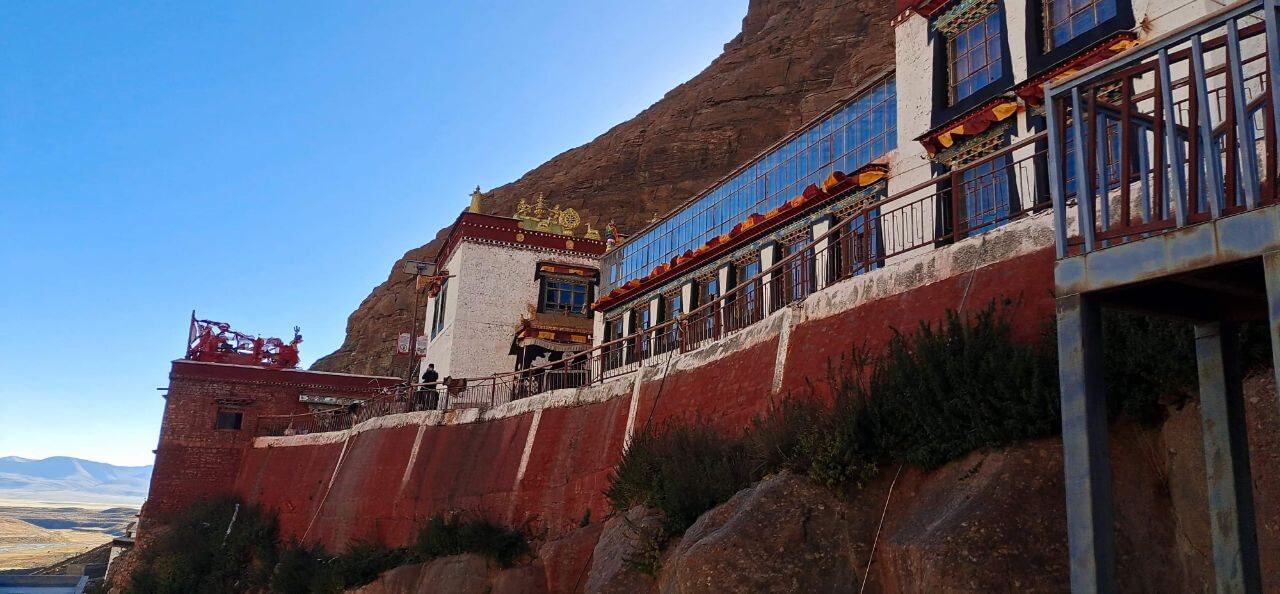
Today’s journey will start before dawn. We will reach the highest point of the route, the sacred Drolma-La pass and test our physical and spiritual strength. The eastern face of Kailash reminds us of the strength and dignity within us. The marvelous view of Gauri Kundu, the place where Goddess Parvati won the heart of Shiva with her penance, will also leave you unmoved and will be a reward for your efforts. On the descent we will visit the “cave of wonders” Zutulpuk, where we will make our most cherished wish. Milarepa’s cave in the center of the monastery is marked by murals from the Drikung Kagyu lineage and the imprints of Guru Rinpoche and Yeshe Tsogyal. The most challenging day is over and we return to Darchen for rest.
After a challenging climb, we relax for a full day in Darchhen, where we can explore local handicrafts and culture at colorful markets and sample traditional Tibetan cuisine. We’ll stop by the Chiu gompa and local monasteries, and enjoy views of the surrounding mountains. By combining cultural and spiritual experiences, we will be able to reflect more deeply on our journey.
With a sense of accomplishment, we drive back to Saga County, where we are greeted by the familiar sights and sounds of the city. We may be overwhelmed with feelings of gratitude and the budding nostalgia that overtakes anyone who has ever visited the Himalayas. The atmosphere of tranquility, majesty and contemplation that Tibet offers will forever remain in your heart even many kilometers away from these places.
As we embark on the road to Dhunche and approach the Nepal border, we are increasingly filled with a sense of transition and the need to leave the sacred land of Tibet. But we are also leaving something else behind, an old version of ourselves. Never again will we be the same and we will definitely want to return again to connect with the purity, strength and wisdom lurking within us. After checking our documents at the border, we head back to Nepal where everything seems familiar and native by now.
One last dash out of Dhunche and we are almost in Kathmandu, the place where our amazing journey to the Roof of Miru to the sacred abode of the deities, Kailash, began. As we enjoy the familiar sights of mountains, rivers and lush greenery, we realize more and more that the divine is forever in our hearts and we can always return to it.
Information You Need To Know
Additional Information You Need To Know
For travelers embarking on this unique journey to Mount Kailash, we recommend thorough preparation to enhance your experience. Acclimatization is crucial, given the high altitudes encountered throughout the trip. It’s advisable to consult with your healthcare provider about altitude sickness and to consider obtaining travel insurance that covers high-altitude trekking. Proper gear, including sturdy trekking boots, warm clothing, and personal necessities, will ensure your comfort. Additionally, maintaining a positive mindset and openness to cultural experiences can enrich your pilgrimage. Please be aware that meals are not included in the package, so budget for daily lunches and dinners, typically around $20. Lastly, we encourage you to embrace the spiritual significance of Kailash, as this journey offers profound personal insights.
*If you end the tour before the agreed time, no refunds will be given. This does not apply to changes in the itinerary agreed with the organizers due to weather, political, traffic and other unforeseen circumstances.
Frequently Asked Question
Yes, you will need special permits to enter Tibet, which we will arrange for you as part of the tour package.
Participants should have a moderate level of fitness. Previous trekking experience is beneficial, but the journey is accessible for those who are reasonably active and in good health.
Yes, altitude sickness can be a concern due to the high elevations. We include acclimatization days in the itinerary to help mitigate this risk.
Accommodation will be in lodges and hotels, with breakfast included. Rooms are typically shared, based on double occupancy.
Essential items include sturdy trekking boots, warm clothing, a good-quality sleeping bag, personal toiletries, and any necessary medications. A detailed packing list will be provided upon booking.
Yes, it is generally safe to travel to Tibet. We recommend staying informed about local conditions and following any travel advisories.
All transfers between locations are provided in separate transportation, ensuring comfort and convenience throughout the journey.
To prepare, stay hydrated, avoid alcohol, ascend slowly, and consider talking to your doctor about medications that may help with altitude sickness.
If changes to the itinerary are necessary due to weather, political issues, or other unforeseen circumstances, we will work with you to adapt your journey and ensure your safety and comfort.
Review Scores
Book This Trip
Kailash Kora From Nepal
Book This Trip
Trip Overview
Mount Kailash, located in the western Tibet Autonomous Region of China, is the holiest site in the Himalayas and the most revered mountain in the world. That said, it still remains one of the least visited. To see Kailash is a unique opportunity available to a limited number of people. The sacred circumambulation around the mountain purifies old programs and fills with spiritual energy.
Kailash is a sacred abode of deities and wisdom from different religions, particularly Jainism, Hinduism, Bon and Buddhism. They all offer different interpretations of the sacred geography, but they all agree on one thing: Kailash is Mount Meru, the axis of the world or the center of the universe. Here the divine and earthly worlds, the individual and the cosmos come into contact. Here we come to our center in the mandala of the universe. Maybe this explains the incredible feeling of fulfillment and satisfaction that one who has made this journey at least once experiences.
Highlilghts Of The Trips
Day 1: Transfer to Kyirong
Day 2: Acclimatization in Kyirong (2800m), visit Milarepa’s cave.
Day 3: Transfer to Saga
Day 4: Transfer to Darchen
Day 5: Visit Manasarovar, overnight in Dharchhen
Day 6: Trek to Dhirapuk (4900 m), 19 km
Day 7: Acclimatization
Day 8: Dhirapkhuk – Drolma La (5620m) – Zutulphuk (4760m) – Dharchhen
Day 9: Day in Darchen
Day 10: Transfer to Saga (4500 m)
Day 11: Transfer Saga – Dhunche
Day 12: Dhunche – Kathmandu, 150 km
What's Included In The Cost
- Nepali and Tibetan guide for the entire duration of the tour
- Accommodation during the tour in lodges and hotels with breakfast and double occupancy
- Permits and permissions to visit Tibet
- All transfers by separate transportation within Tibet
- Transfers from Kathmandu to the border and back
- Payment for transportation permits
- Carriers and yaks
What's Not Included In The Cost
- Flights to and from Kathmandu
- Nepal Visa
- China visa
- Lunches and dinners (about $20 per day)
- Extra camping or an extra porter
- Personal necessities
- Tips for guide and porters, personal shopping
- Extra transportation in case of unforeseen circumstances (helicopter, extra days spent on the route)*
- Travel insurance
Trip Detail Itinerary
In the morning, we move to the Nepal-Tibet border, en route to enjoy scenic views of waterfalls and rushing streams of Trishuli Valley, Langtang mountain range and Himalayan gorges. After paperwork formalities at the border, we arrive in Kyirong, a town on the Nepal-Tibet border, located on the eastern bank of the Kyirong Tsangpo River, which gives rise to one of Nepal’s largest rivers, the Trishuli. Once an important staging post on the trade route between India and China, it is now a small cozy town welcoming pilgrims with a mix of Tibetan and Nepalese culture, cuisine and traditions.
Today we stay in Kyirong for acclimatization and preparation for further climbing. Our first immersion into Tibetan culture awaits us with stunning views of Langtang and Ganesh Khimal. We will visit the historic Paba Monastery (2850m), which was built by the first Buddhist king of Tibet, Songtsen Gampo, at the request of his consort, Nepalese Princess Bhrikuti. The monastery is noted for its skillful paintings on the walls in the Nevar style. The living tradition of Tibetan Buddhism warms amidst the rugged mountain peaks. We will also visit the cave of Jetsun Milarepa, the great Tibetan yogi who achieved enlightenment in one lifetime and in one body. Milarepa is also considered one of the key figures in the formation of Tibetan Buddhism, who “reclaimed” Kailash from the followers of the Bon.
After breakfast, we will start our journey to the “happy land” of Saga, which lives up to its name and welcomes all pilgrims with its hospitable spirit. Along the way, we will ascend through the Ghantu-La Pass (5226 m), which offers incredible views of the sacred Brahmaputra River, originating from the icy peaks of Kailash. Among the many mountain gems, one of the highest peaks of Shisha Pangma and the “turquoise lake” Peiku Tso are among the many gems that open up to the mesmerized eye. Wild donkeys, mountain antelopes and other typical fauna of the Tibetan highlands are also encountered along the way. We will spend the night in Saga.
In the morning, we will leave for Darchen, which is also called the “base camp of Kailash”. For as much as three hundred years, the place has been in possession of Bhutan. It was once a deserted place where mostly rare nomads could be seen. But with the development of tourism in the Kailash area, the town conveniently located at the foot of the mountain has become the starting point for pilgrimage to the kora. You can’t yet see Kailash from Darchen, but you can already feel its power and tantalizing energy. We will spend the night here in awe of the majesty of the sacred mountain and in anticipation of the journey ahead. Staying in Dharchhen instead of Manasarovar is much more comfortable and preserves more energy before the upcoming detour around Kailash.
After resting at Darchen, in the morning we will head to the most sacred lake of Tibet -Manasarovar. It is the antipode of the lake of “dark forces” – Rakshasa. Numerous Indian pilgrims come to Kailash just to take a dip in this lake and achieve liberation. Ritual ablution in it purifies all negative karma and bestows blessings for long life and good fortune. Tibetans usually avoid taking a complete dip in the sacred body of water, which they call Mapam-Yumtso. It is considered great luck for them to collect some sacred water or sand from the lake, and to find fish that have been thrown ashore. Such fish is considered a medicine and a liberating substance. After puja and meditation on the shores of the lake, we will make blissful aspirations and return to Dharchhen for the night, filled with the divine purity of the “lake of the mind”.
After breakfast, we will be transferred to the starting point of the trek. The trek passes through beautiful hills with waterfalls and endless blue sky overhead. The highlight is the encounter with the northern face of Kailash. While trekking through the mountain gorges, one can reflect on how in life too, we overcome all obstacles through discipline and positive attitude. We can shed the weight of accumulated worries and enjoy the beauty of the present moment. The monasteries and caves encountered along the way are awe-inspiring and delightful in their age-old artistry.
After welcoming the most beautiful sunrise with a view of Kailash, we will continue exploring the surroundings. A day of rest and acclimatization in Dhirapuk awaits us, which will allow us to gain strength before the most difficult part of the route, the Drolma-La Pass. We can dedicate this day to a journey deep within ourselves, motivated by the majestic presence of Kailash. Conscious walking, meditation and breathing practices will help to know ourselves better and prepare for the next day. In the evening, we will share our reflections and insights in a cozy circle.
Today’s journey will start before dawn. We will reach the highest point of the route, the sacred Drolma-La pass and test our physical and spiritual strength. The eastern face of Kailash reminds us of the strength and dignity within us. The marvelous view of Gauri Kundu, the place where Goddess Parvati won the heart of Shiva with her penance, will also leave you unmoved and will be a reward for your efforts. On the descent we will visit the “cave of wonders” Zutulpuk, where we will make our most cherished wish. Milarepa’s cave in the center of the monastery is marked by murals from the Drikung Kagyu lineage and the imprints of Guru Rinpoche and Yeshe Tsogyal. The most challenging day is over and we return to Darchen for rest.
After a challenging climb, we relax for a full day in Darchhen, where we can explore local handicrafts and culture at colorful markets and sample traditional Tibetan cuisine. We’ll stop by the Chiu gompa and local monasteries, and enjoy views of the surrounding mountains. By combining cultural and spiritual experiences, we will be able to reflect more deeply on our journey.
With a sense of accomplishment, we drive back to Saga County, where we are greeted by the familiar sights and sounds of the city. We may be overwhelmed with feelings of gratitude and the budding nostalgia that overtakes anyone who has ever visited the Himalayas. The atmosphere of tranquility, majesty and contemplation that Tibet offers will forever remain in your heart even many kilometers away from these places.
As we embark on the road to Dhunche and approach the Nepal border, we are increasingly filled with a sense of transition and the need to leave the sacred land of Tibet. But we are also leaving something else behind, an old version of ourselves. Never again will we be the same and we will definitely want to return again to connect with the purity, strength and wisdom lurking within us. After checking our documents at the border, we head back to Nepal where everything seems familiar and native by now.
One last dash out of Dhunche and we are almost in Kathmandu, the place where our amazing journey to the Roof of Miru to the sacred abode of the deities, Kailash, began. As we enjoy the familiar sights of mountains, rivers and lush greenery, we realize more and more that the divine is forever in our hearts and we can always return to it.
Information You Need To Know
Additional Information You Need To Know
For travelers embarking on this unique journey to Mount Kailash, we recommend thorough preparation to enhance your experience. Acclimatization is crucial, given the high altitudes encountered throughout the trip. It’s advisable to consult with your healthcare provider about altitude sickness and to consider obtaining travel insurance that covers high-altitude trekking. Proper gear, including sturdy trekking boots, warm clothing, and personal necessities, will ensure your comfort. Additionally, maintaining a positive mindset and openness to cultural experiences can enrich your pilgrimage. Please be aware that meals are not included in the package, so budget for daily lunches and dinners, typically around $20. Lastly, we encourage you to embrace the spiritual significance of Kailash, as this journey offers profound personal insights.
*If you end the tour before the agreed time, no refunds will be given. This does not apply to changes in the itinerary agreed with the organizers due to weather, political, traffic and other unforeseen circumstances.
Frequently Asked Question
Yes, you will need special permits to enter Tibet, which we will arrange for you as part of the tour package.
Participants should have a moderate level of fitness. Previous trekking experience is beneficial, but the journey is accessible for those who are reasonably active and in good health.
Yes, altitude sickness can be a concern due to the high elevations. We include acclimatization days in the itinerary to help mitigate this risk.
Accommodation will be in lodges and hotels, with breakfast included. Rooms are typically shared, based on double occupancy.
Essential items include sturdy trekking boots, warm clothing, a good-quality sleeping bag, personal toiletries, and any necessary medications. A detailed packing list will be provided upon booking.
Yes, it is generally safe to travel to Tibet. We recommend staying informed about local conditions and following any travel advisories.
All transfers between locations are provided in separate transportation, ensuring comfort and convenience throughout the journey.
To prepare, stay hydrated, avoid alcohol, ascend slowly, and consider talking to your doctor about medications that may help with altitude sickness.
If changes to the itinerary are necessary due to weather, political issues, or other unforeseen circumstances, we will work with you to adapt your journey and ensure your safety and comfort.