Bhaktapur Day Tour
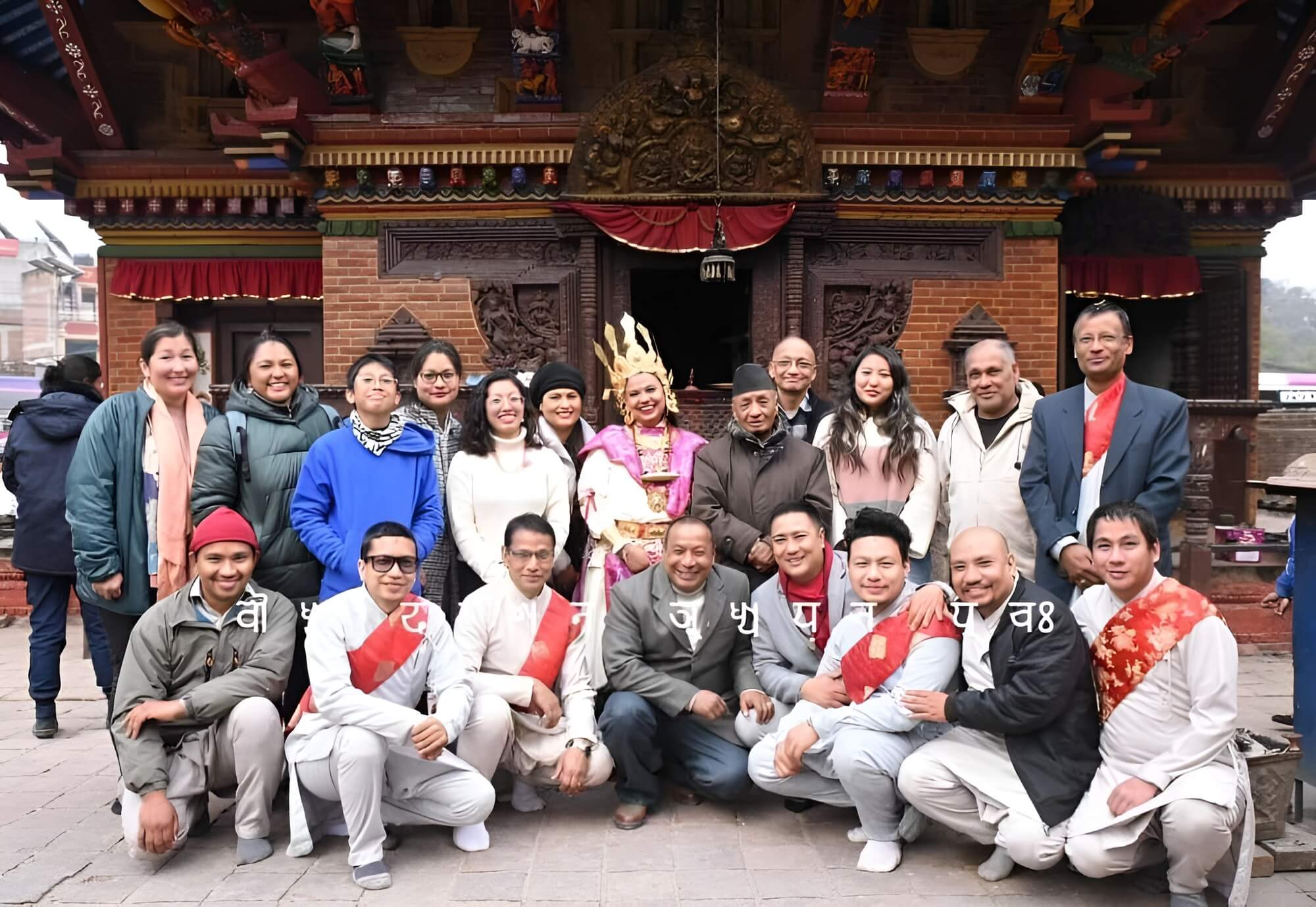
Trip Overview
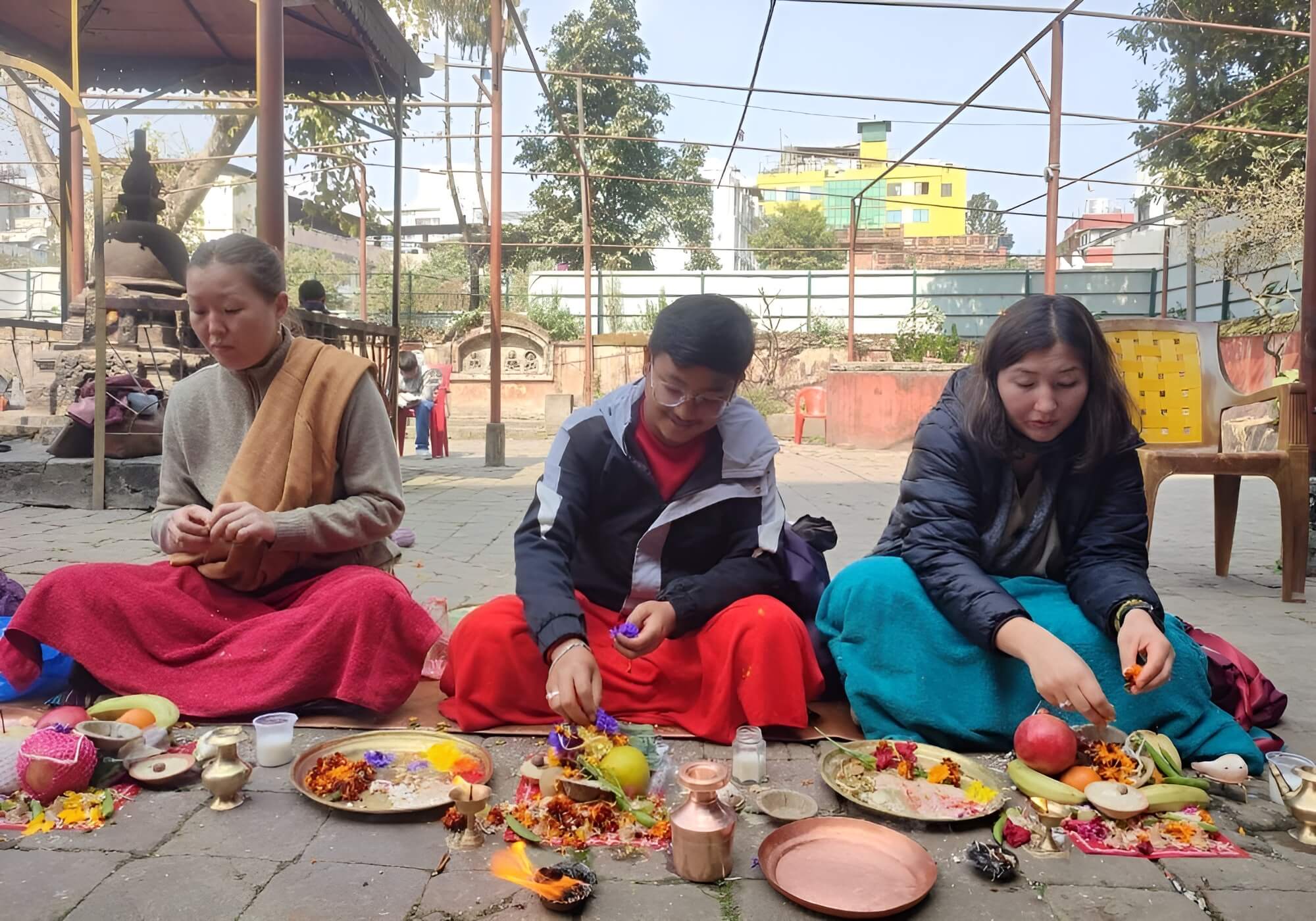
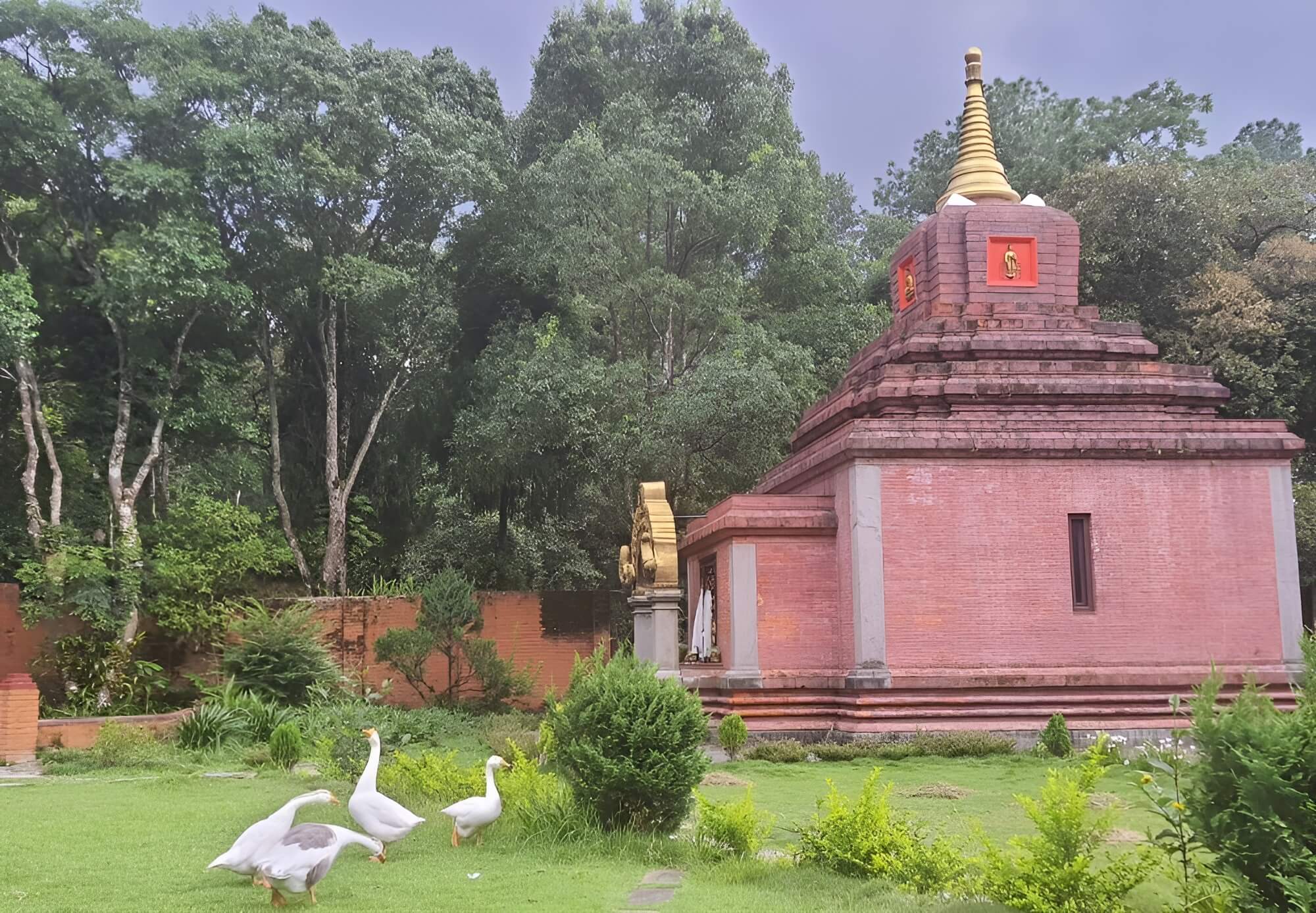
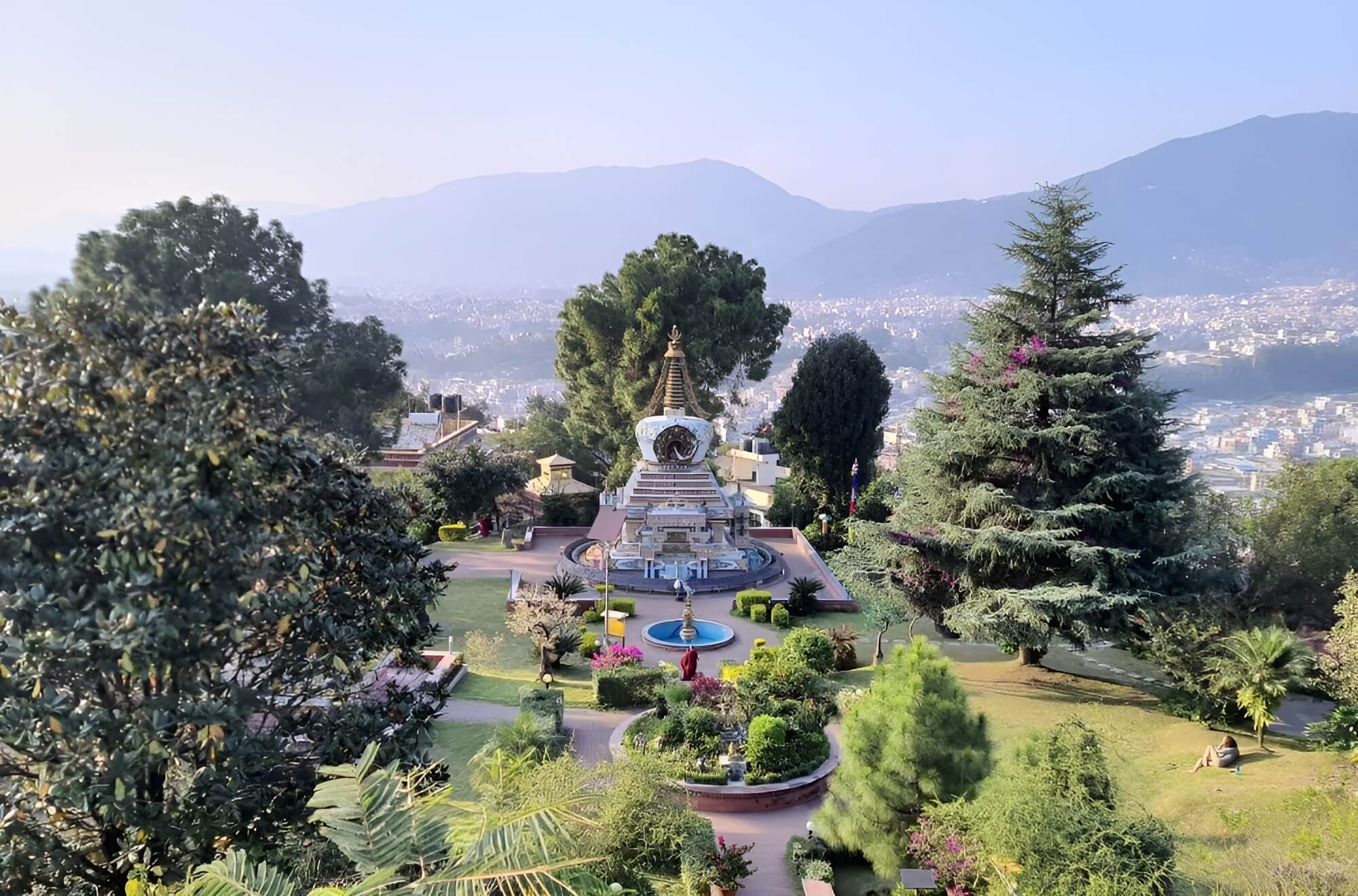
Bhaktapur has everything Nepal is loved for: the concentration of deities per square meter, colorful rituals, measured, fine craftsmanship. Here you will plunge into the chaotic but perfectly working mechanism of life, where family, crops and faith in a higher power are the foundation. We will look into shops and temples, sit in a cozy cafe and open the hidden doors of the ancient city.
Why go to Bhaktapur?
This is one of the smallest and cleanest cities in Nepal. Everything here revolves around temples and religious ceremonies, and everyone has a role to play in the common life. You will walk through the narrow streets of a city steeped in a quest for spiritual and artistic excellence.
What to expect
Bhaktapur’s three main squares: In Durbar Square you will visit the unique 55-window palace, the royal bath, and the palace of Goddess Taleju, the same one who takes possession of the living Goddess Kumari. At Dattatreya Square we will walk around the temple of the “Trinity” – Brahma, Vishnu, and Shiva – and make wishes At Nyatapola Square you will see the tallest building of the city, take colorful photos and admire the temples of Bhairava and Siddhi Lakshmi, which embody the knowledge of female and male energies in architecture.
Spiritual details of the city: In this tour, you will get an idea about the significance of Bhaktapur in Nepali history and how the once prosperous capital city fell into oblivion due to the legendary bravery of the locals. You’ll also learn how the cult of devotion to Shiva, Vishnu, and other deities evolved here into Hinduism and Buddhism. What role do these religious differences play for the residents themselves? Every day in Nepal is unique, so it makes sense to explain what happens on the ground.
Folk artisans and high-altitude coffee: Bhaktapur is home to an amazing artisan who not only collected ancient artifacts in his house museum but also carved Buddhist works on its pillars and railings. You’ll examine them in great detail and see the process of handmade paperwork that has been preserved for centuries. We’ll sit in a café not far away – in a 15th-century house. We will leisurely sip Nepali highland coffee, cover our eyes, and enjoy the atmosphere of royal Bhaktapur!
What's Included In The Cost
- Entrance fees to Bhaktapur Durbar Square and heritage sites
- Local guide services
- Round-trip transportation from Kathmandu (if included)
- Meals at designated local restaurants (if included)
- Entry to museums and artisan workshops
- Complimentary Nepali highland coffee (if included)
- Participation in local festivals and ceremonies (if applicable)
What's Not Included In The Cost
- Personal shopping and souvenirs
- Tips and gratuities
- Optional activities not mentioned in the itinerary
- Nepal visa fees
- Extra transportation for personal use
- Personal medical supplies and medications
- Bottled water and drinks outside of designated meals
Trip Detail Itinerary
Information You Need To Know
Additional Information You Need To Know
When planning your trip to Bhaktapur, it’s essential to know a few key details to make the most of your experience. Foreign visitors are required to pay an entry fee to visit Bhaktapur Durbar Square, and hiring a local guide can enhance your understanding of the city’s rich history. The best times to visit are during the spring and autumn seasons, while festivals like Bisket Jatra and Dashain offer unique cultural experiences.
Bhaktapur is easily accessible from Kathmandu, and dressing modestly while respecting temple etiquette is important. Stay hydrated, enjoy local cuisine at reputable restaurants, and carry some cash as smaller vendors may not accept credit cards. Explore local artisan workshops, museums, and consider taking a traditional Nepali cooking class. For stunning sunset views, visit Nagarkot on the outskirts of Bhaktapur. By keeping these tips in mind, you’ll be well-prepared to immerse yourself in the vibrant culture and history of Bhaktapur.
Frequently Asked Question
Bhaktapur is renowned for its rich culture, historic architecture, and vibrant festivals. It’s famous for its well-preserved medieval structures, intricate wood carvings, and traditional pottery.
The main attractions include Durbar Square with its 55-Window Palace, Nyatapola Temple in Taumadhi Square, and the Dattatreya Temple in Dattatreya Square. The city is also known for its bustling pottery square and the Peacock Window.
As of 2023, the entry fee for foreign nationals is NPR 1500, while SAARC nationals pay NPR 500. Fees are subject to change, so it’s advisable to check current rates before visiting.
The best times to visit are during the spring (March to May) and autumn (September to November) when the weather is pleasant, and the skies are clear. Visiting during festivals like Bisket Jatra in April can also offer a unique experience.
Bhaktapur is about 13 kilometers east of Kathmandu and can be reached by bus, taxi, or private car. The journey typically takes around 30-45 minutes depending on traffic.
Stay hydrated and carry a water bottle. Drink bottled or purified water and eat at reputable restaurants to avoid stomach issues. It’s also wise to carry some basic medical supplies.
While some larger hotels and restaurants may accept credit cards, it’s advisable to carry enough cash for smaller vendors and daily expenses.
Yes, there are ATMs available in Bhaktapur, but it’s always a good idea to carry some cash as a backup.
Visiting local artisan workshops, exploring pottery square, taking a traditional Nepali cooking class, and enjoying highland coffee in a historic café are some unique experiences in Bhaktapur.
You can expect traditional Nepali cuisine, including dishes like momos (dumplings), dal bhat (lentil soup with rice), and Newari specialties. There are also several cafes offering international cuisine.
Review Scores
Book This Trip
Bhaktapur Day Tour
Book This Trip
Trip Overview
Bhaktapur has everything Nepal is loved for: the concentration of deities per square meter, colorful rituals, measured, fine craftsmanship. Here you will plunge into the chaotic but perfectly working mechanism of life, where family, crops and faith in a higher power are the foundation. We will look into shops and temples, sit in a cozy cafe and open the hidden doors of the ancient city.
Why go to Bhaktapur?
This is one of the smallest and cleanest cities in Nepal. Everything here revolves around temples and religious ceremonies, and everyone has a role to play in the common life. You will walk through the narrow streets of a city steeped in a quest for spiritual and artistic excellence.
What to expect
Bhaktapur’s three main squares: In Durbar Square you will visit the unique 55-window palace, the royal bath, and the palace of Goddess Taleju, the same one who takes possession of the living Goddess Kumari. At Dattatreya Square we will walk around the temple of the “Trinity” – Brahma, Vishnu, and Shiva – and make wishes At Nyatapola Square you will see the tallest building of the city, take colorful photos and admire the temples of Bhairava and Siddhi Lakshmi, which embody the knowledge of female and male energies in architecture.
Spiritual details of the city: In this tour, you will get an idea about the significance of Bhaktapur in Nepali history and how the once prosperous capital city fell into oblivion due to the legendary bravery of the locals. You’ll also learn how the cult of devotion to Shiva, Vishnu, and other deities evolved here into Hinduism and Buddhism. What role do these religious differences play for the residents themselves? Every day in Nepal is unique, so it makes sense to explain what happens on the ground.
Folk artisans and high-altitude coffee: Bhaktapur is home to an amazing artisan who not only collected ancient artifacts in his house museum but also carved Buddhist works on its pillars and railings. You’ll examine them in great detail and see the process of handmade paperwork that has been preserved for centuries. We’ll sit in a café not far away – in a 15th-century house. We will leisurely sip Nepali highland coffee, cover our eyes, and enjoy the atmosphere of royal Bhaktapur!
What's Included In The Cost
- Entrance fees to Bhaktapur Durbar Square and heritage sites
- Local guide services
- Round-trip transportation from Kathmandu (if included)
- Meals at designated local restaurants (if included)
- Entry to museums and artisan workshops
- Complimentary Nepali highland coffee (if included)
- Participation in local festivals and ceremonies (if applicable)
What's Not Included In The Cost
- Personal shopping and souvenirs
- Tips and gratuities
- Optional activities not mentioned in the itinerary
- Nepal visa fees
- Extra transportation for personal use
- Personal medical supplies and medications
- Bottled water and drinks outside of designated meals
Trip Detail Itinerary
Information You Need To Know
Additional Information You Need To Know
When planning your trip to Bhaktapur, it’s essential to know a few key details to make the most of your experience. Foreign visitors are required to pay an entry fee to visit Bhaktapur Durbar Square, and hiring a local guide can enhance your understanding of the city’s rich history. The best times to visit are during the spring and autumn seasons, while festivals like Bisket Jatra and Dashain offer unique cultural experiences.
Bhaktapur is easily accessible from Kathmandu, and dressing modestly while respecting temple etiquette is important. Stay hydrated, enjoy local cuisine at reputable restaurants, and carry some cash as smaller vendors may not accept credit cards. Explore local artisan workshops, museums, and consider taking a traditional Nepali cooking class. For stunning sunset views, visit Nagarkot on the outskirts of Bhaktapur. By keeping these tips in mind, you’ll be well-prepared to immerse yourself in the vibrant culture and history of Bhaktapur.
Frequently Asked Question
Bhaktapur is renowned for its rich culture, historic architecture, and vibrant festivals. It’s famous for its well-preserved medieval structures, intricate wood carvings, and traditional pottery.
The main attractions include Durbar Square with its 55-Window Palace, Nyatapola Temple in Taumadhi Square, and the Dattatreya Temple in Dattatreya Square. The city is also known for its bustling pottery square and the Peacock Window.
As of 2023, the entry fee for foreign nationals is NPR 1500, while SAARC nationals pay NPR 500. Fees are subject to change, so it’s advisable to check current rates before visiting.
The best times to visit are during the spring (March to May) and autumn (September to November) when the weather is pleasant, and the skies are clear. Visiting during festivals like Bisket Jatra in April can also offer a unique experience.
Bhaktapur is about 13 kilometers east of Kathmandu and can be reached by bus, taxi, or private car. The journey typically takes around 30-45 minutes depending on traffic.
Stay hydrated and carry a water bottle. Drink bottled or purified water and eat at reputable restaurants to avoid stomach issues. It’s also wise to carry some basic medical supplies.
While some larger hotels and restaurants may accept credit cards, it’s advisable to carry enough cash for smaller vendors and daily expenses.
Yes, there are ATMs available in Bhaktapur, but it’s always a good idea to carry some cash as a backup.
Visiting local artisan workshops, exploring pottery square, taking a traditional Nepali cooking class, and enjoying highland coffee in a historic café are some unique experiences in Bhaktapur.
You can expect traditional Nepali cuisine, including dishes like momos (dumplings), dal bhat (lentil soup with rice), and Newari specialties. There are also several cafes offering international cuisine.