
Poon Hill Trek
Trip Overview
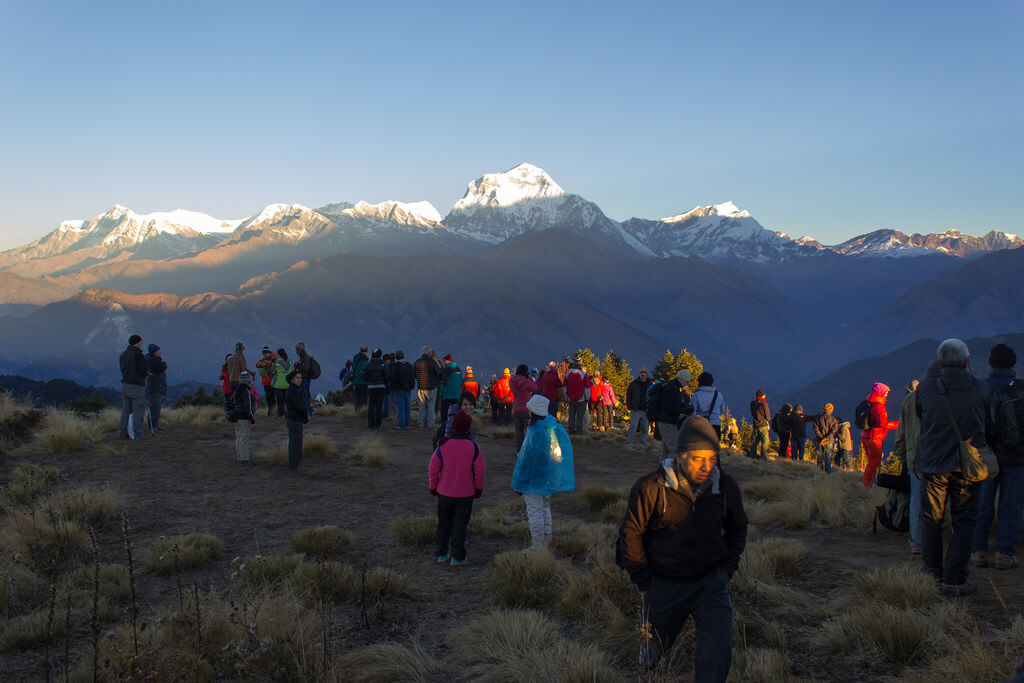
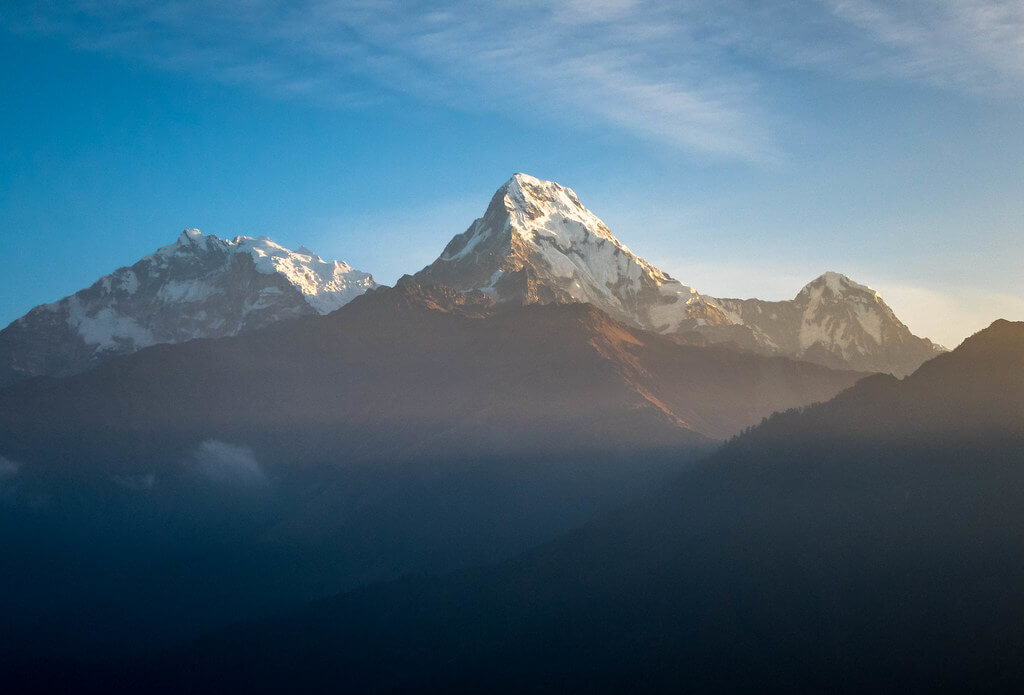
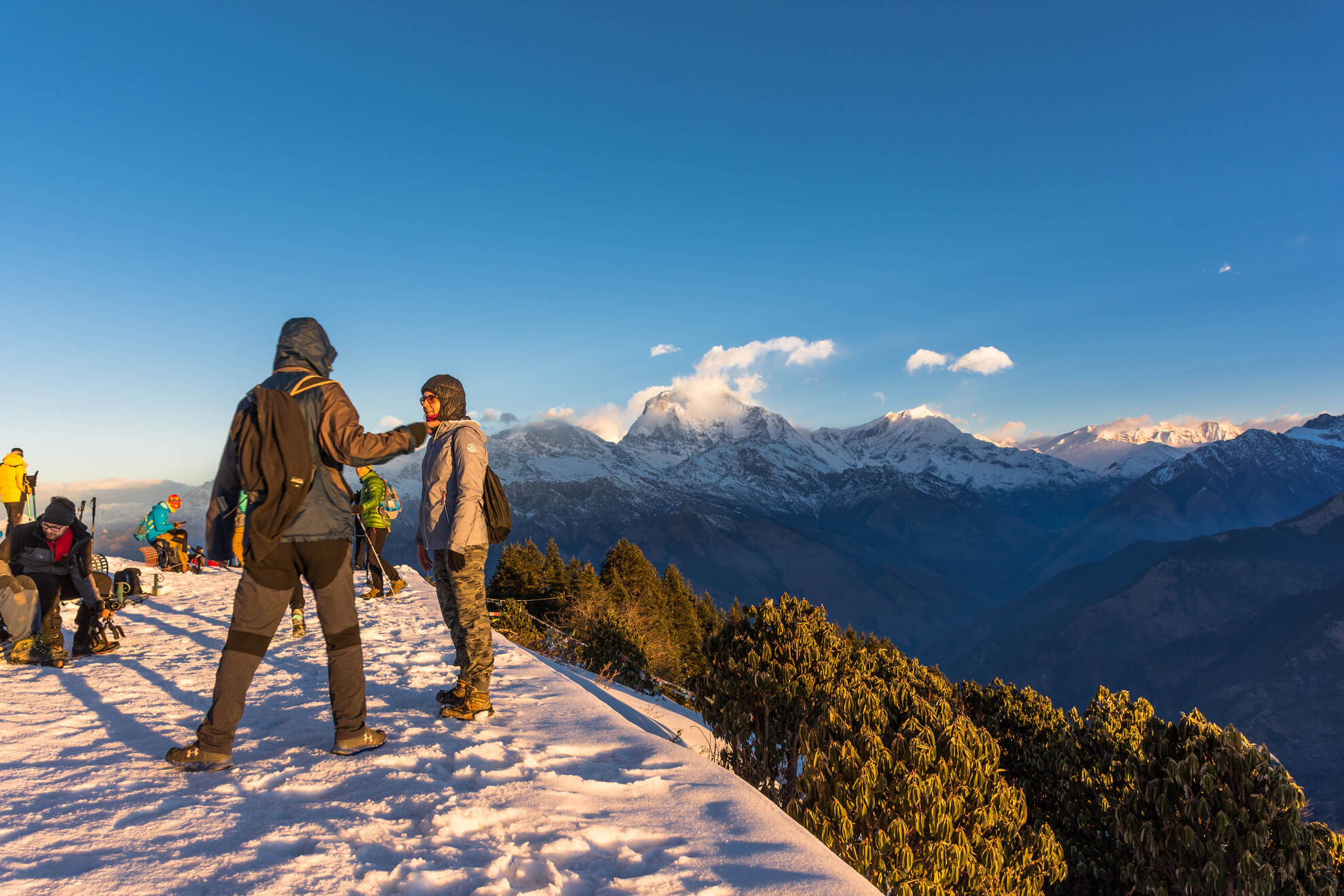
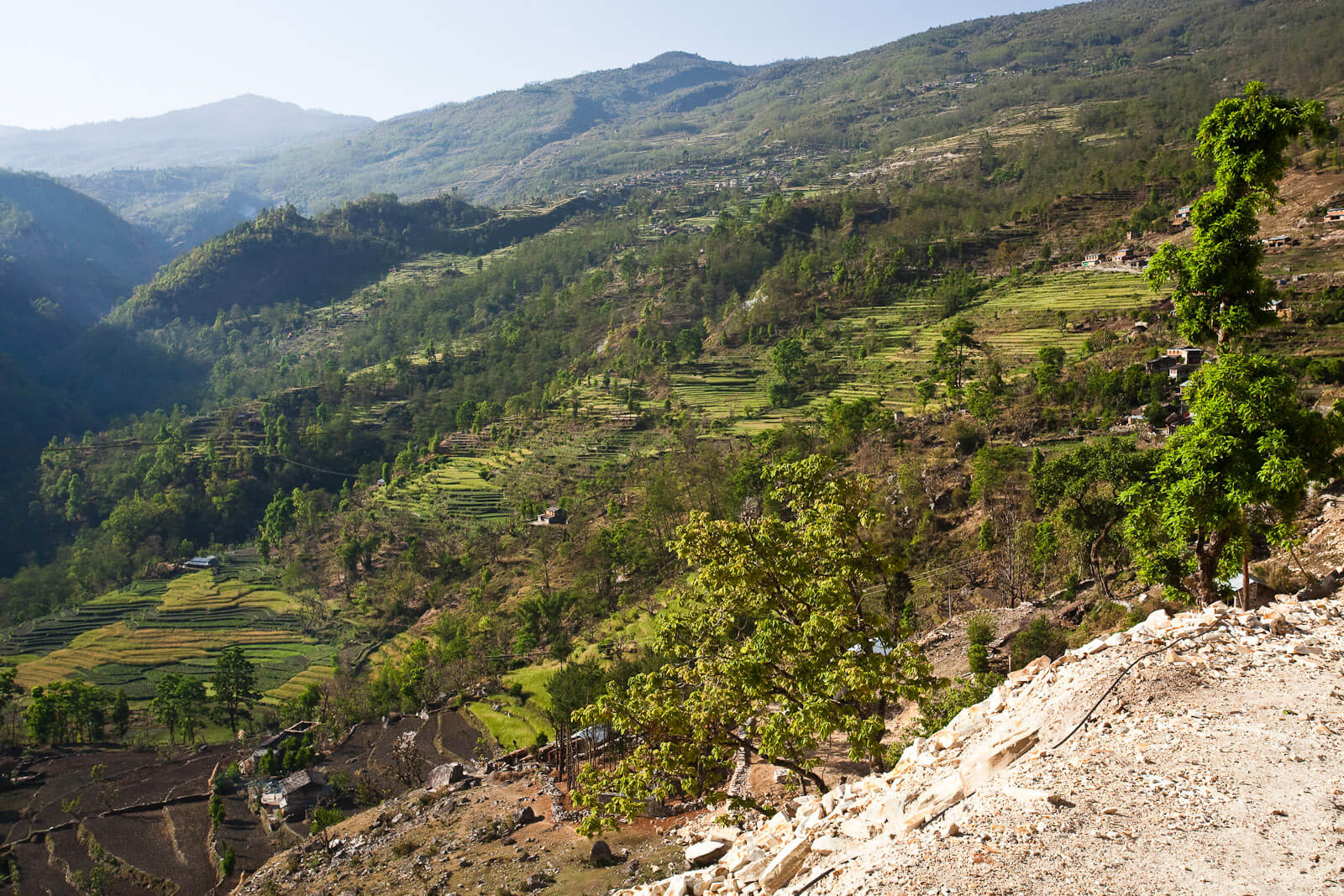
The short & the best trek following the foot hills of the Annapurna Range Himalaya. The trek is highlighted for its beautiful rhododendron forest which blooms with flower in MAR/APR month of the spring season of one year. About more than a different species of rhododendron Blooms in the area. The magnificent view of the Dhaulagiri & Annapurna Fang takes the breath away of the trekkers reaching to the top of the Poon Hill view Points. The trails passes through different villages of magar ethnic groups in bringing the real experience of the nature intertwined with the locals culture of this region.
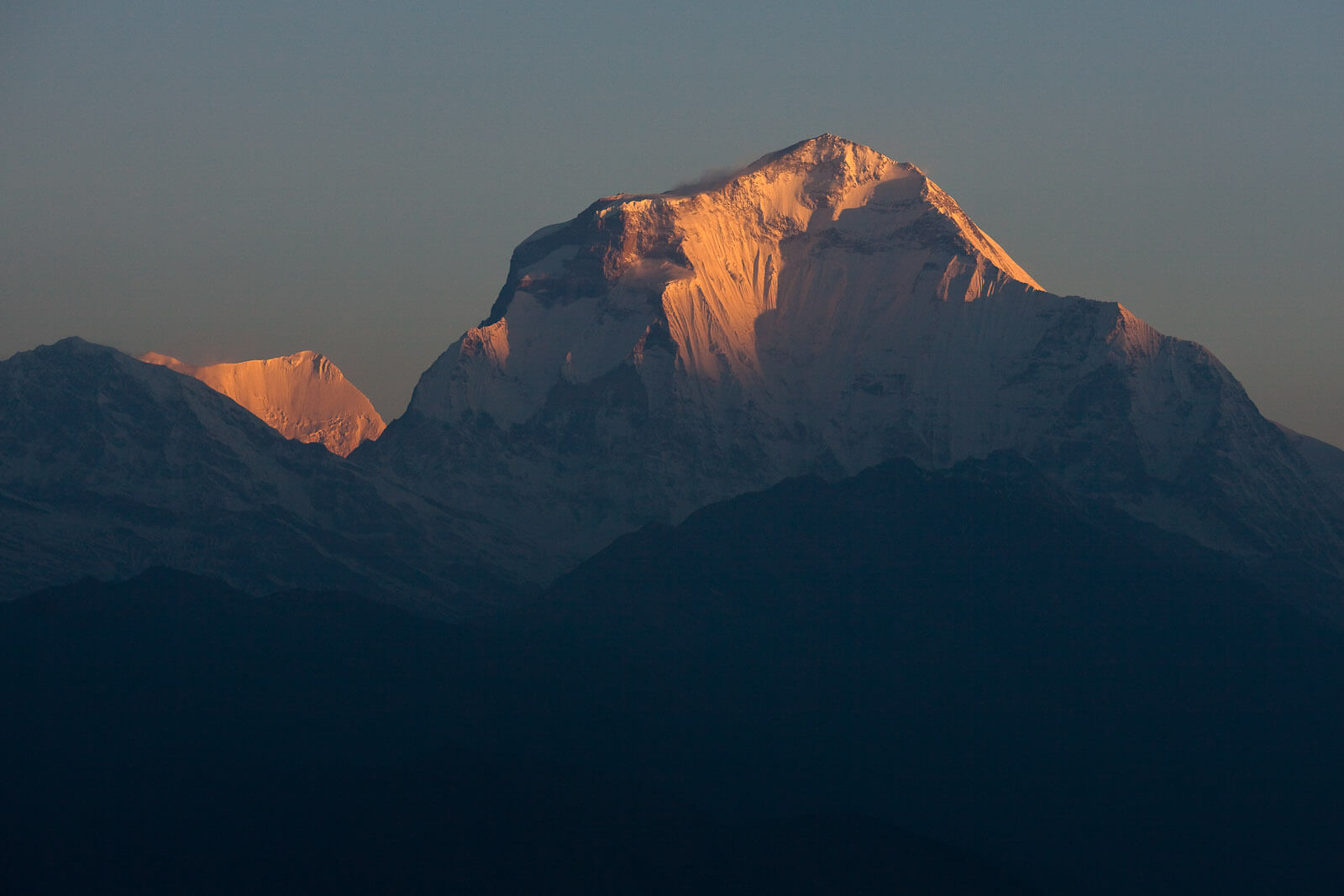
One can have an unforgettable memory of being in the nature with eye-memorizing view of the glittering the Mt. Dhaulagiri & Annapurna South from the first rays of the sun on rise. Can be the Best trick of this Annapurna region to explore more in short duration.
Highlilghts Of The Trips
The Poon Hill Trek is a breathtaking journey through the foothills of the Annapurna Range, renowned for its stunning rhododendron forests that burst into vibrant bloom during March and April. This trek offers an unforgettable experience, showcasing more than a dozen species of rhododendrons while providing majestic views of the Dhaulagiri and Annapurna Fang mountains. Trekkers ascend to the iconic Poon Hill viewpoint, where the first rays of sunlight create a magical backdrop against the glittering peaks.
The trail meanders through charming villages inhabited by the Magar ethnic group, allowing trekkers to immerse themselves in the local culture and natural beauty. Over the course of six days, adventurers will trek through diverse landscapes, culminating in remarkable sunrises and picturesque views that leave lasting memories of this extraordinary region. Whether opting for the standard route or an extended trek, the Poon Hill Trek promises a captivating blend of nature and culture in a relatively short duration.
What's Included In The Cost
- TIMS card: Required permit for trekking in the area.
- ACAP permit: Access permit for the Annapurna Conservation Area.
- Tea house accommodation: Comfortable lodgings along the trekking route.
- Meals: Breakfast, lunch, and dinner provided at tea houses.
- Guide and porter services: Experienced support for navigation and luggage.
- Ground transportation: Transfers from Pokhara to Nayapul and return.
- Basic first-aid kit: Available for minor health issues during the trek.
- Local taxes: All applicable taxes related to permits and services.
What's Not Included In The Cost
- International flights: Airfare to and from Nepal not covered.
- Travel insurance: Personal insurance for trekking activities required.
- Personal expenses: Snacks, beverages, and souvenirs purchased on trek.
- Hot showers and Wi-Fi charges: Extra fees for these amenities at lodges.
- Tips for guides and porters: Gratuities are appreciated and expected.
- Optional activities in Pokhara: Additional excursions like paragliding or sightseeing.
- Extra nights due to unforeseen circumstances: Accommodation costs for unplanned stays.
- Health and medical costs: Any medical expenses incurred during the trek.
- Equipment rental (if needed): Costs for renting trekking gear and equipment.
Trip Detail Itinerary
START TREK FROM BRENTHANTI TO ULLERI (TIKHEDHUNGA LUNCH)
TREK HOUR: 5HRS.
ALTITUDE GAIN: 1080M 1900m
OR
GHODEPANI (2850m ) DEURALI (2950m) BANTHIANI (2300m ) TADAPANI (2550m)
OR,
TADAPANI (2540m) GHANDRUK (2000m) SYAULI (1080m) BIRENTHANTI
OR, EXTENSION TREK
TADAPANI > GHANDRUK> LANDRUK
Information You Need To Know
Additional Information You Need To Know
When planning your Poon Hill Trek, it’s essential to prepare adequately to ensure a smooth and enjoyable experience. Trekkers should be in moderate physical shape, as the trek involves varying altitudes and terrain. Proper trekking gear, including sturdy footwear, layered clothing, and rain gear, is recommended, as weather conditions can change rapidly. It’s also advisable to carry a good-quality sleeping bag, personal first-aid supplies, and a reusable water bottle to stay hydrated. Acclimatization is crucial; therefore, taking your time on the trek and allowing your body to adjust to the altitude will help prevent altitude sickness.
Additionally, consider hiring a local guide or porter to enhance your experience, provide valuable insights, and support sustainable tourism. Lastly, ensure you have travel insurance that covers trekking activities, as this will provide peace of mind throughout your adventure.
Frequently Asked Question
The Poon Hill Trek is a popular trekking route in the Annapurna region of Nepal, known for its stunning views of the Annapurna and Dhaulagiri mountain ranges and vibrant rhododendron forests.
The best times to trek are during the spring (March to May) when rhododendrons are in bloom and the autumn (September to November) for clear skies and stable weather.
The highest point of the trek is Poon Hill, which is at an altitude of 3,210 meters (10,531 feet).
Yes, you will need a Trekkers’ Information Management System (TIMS) card and an Annapurna Conservation Area Permit (ACAP) to trek in the region. These can be obtained in Pokhara or Kathmandu.
Yes, the Poon Hill Trek is considered moderate and is suitable for beginners with a reasonable level of fitness. Previous trekking experience is helpful but not necessary.
Trekkers can stay in tea houses or lodges along the route, which provide basic accommodation and meals. Facilities vary, but most offer a bed, shared bathroom, and dining area.
Essential items include trekking shoes, warm clothing, a sleeping bag, rain gear, a water bottle, sunscreen, a first-aid kit, and personal hygiene items.
Mobile network coverage is available in most villages along the trek, but the signal may be weak or intermittent in higher areas. It’s best to check with local providers.
The food in tea houses typically includes a variety of Nepali and Western dishes, such as dal bhat (rice and lentils), noodles, soups, and pancakes. Fresh ingredients may be limited in remote areas.
Cash is preferred, and it’s best to carry enough Nepali rupees for the entire trek, as ATMs may not be available in remote areas. Credit cards are accepted in some lodges in larger towns.
Review Scores
Book This Trip
Poon Hill Trek
Book This Trip
Trip Overview
The short & the best trek following the foot hills of the Annapurna Range Himalaya. The trek is highlighted for its beautiful rhododendron forest which blooms with flower in MAR/APR month of the spring season of one year. About more than a different species of rhododendron Blooms in the area. The magnificent view of the Dhaulagiri & Annapurna Fang takes the breath away of the trekkers reaching to the top of the Poon Hill view Points. The trails passes through different villages of magar ethnic groups in bringing the real experience of the nature intertwined with the locals culture of this region.
One can have an unforgettable memory of being in the nature with eye-memorizing view of the glittering the Mt. Dhaulagiri & Annapurna South from the first rays of the sun on rise. Can be the Best trick of this Annapurna region to explore more in short duration.
Highlilghts Of The Trips
The Poon Hill Trek is a breathtaking journey through the foothills of the Annapurna Range, renowned for its stunning rhododendron forests that burst into vibrant bloom during March and April. This trek offers an unforgettable experience, showcasing more than a dozen species of rhododendrons while providing majestic views of the Dhaulagiri and Annapurna Fang mountains. Trekkers ascend to the iconic Poon Hill viewpoint, where the first rays of sunlight create a magical backdrop against the glittering peaks.
The trail meanders through charming villages inhabited by the Magar ethnic group, allowing trekkers to immerse themselves in the local culture and natural beauty. Over the course of six days, adventurers will trek through diverse landscapes, culminating in remarkable sunrises and picturesque views that leave lasting memories of this extraordinary region. Whether opting for the standard route or an extended trek, the Poon Hill Trek promises a captivating blend of nature and culture in a relatively short duration.
What's Included In The Cost
- TIMS card: Required permit for trekking in the area.
- ACAP permit: Access permit for the Annapurna Conservation Area.
- Tea house accommodation: Comfortable lodgings along the trekking route.
- Meals: Breakfast, lunch, and dinner provided at tea houses.
- Guide and porter services: Experienced support for navigation and luggage.
- Ground transportation: Transfers from Pokhara to Nayapul and return.
- Basic first-aid kit: Available for minor health issues during the trek.
- Local taxes: All applicable taxes related to permits and services.
What's Not Included In The Cost
- International flights: Airfare to and from Nepal not covered.
- Travel insurance: Personal insurance for trekking activities required.
- Personal expenses: Snacks, beverages, and souvenirs purchased on trek.
- Hot showers and Wi-Fi charges: Extra fees for these amenities at lodges.
- Tips for guides and porters: Gratuities are appreciated and expected.
- Optional activities in Pokhara: Additional excursions like paragliding or sightseeing.
- Extra nights due to unforeseen circumstances: Accommodation costs for unplanned stays.
- Health and medical costs: Any medical expenses incurred during the trek.
- Equipment rental (if needed): Costs for renting trekking gear and equipment.
Trip Detail Itinerary
START TREK FROM BRENTHANTI TO ULLERI (TIKHEDHUNGA LUNCH)
TREK HOUR: 5HRS.
ALTITUDE GAIN: 1080M 1900m
OR
GHODEPANI (2850m ) DEURALI (2950m) BANTHIANI (2300m ) TADAPANI (2550m)
OR,
TADAPANI (2540m) GHANDRUK (2000m) SYAULI (1080m) BIRENTHANTI
OR, EXTENSION TREK
TADAPANI > GHANDRUK> LANDRUK
Information You Need To Know
Additional Information You Need To Know
When planning your Poon Hill Trek, it’s essential to prepare adequately to ensure a smooth and enjoyable experience. Trekkers should be in moderate physical shape, as the trek involves varying altitudes and terrain. Proper trekking gear, including sturdy footwear, layered clothing, and rain gear, is recommended, as weather conditions can change rapidly. It’s also advisable to carry a good-quality sleeping bag, personal first-aid supplies, and a reusable water bottle to stay hydrated. Acclimatization is crucial; therefore, taking your time on the trek and allowing your body to adjust to the altitude will help prevent altitude sickness.
Additionally, consider hiring a local guide or porter to enhance your experience, provide valuable insights, and support sustainable tourism. Lastly, ensure you have travel insurance that covers trekking activities, as this will provide peace of mind throughout your adventure.
Frequently Asked Question
The Poon Hill Trek is a popular trekking route in the Annapurna region of Nepal, known for its stunning views of the Annapurna and Dhaulagiri mountain ranges and vibrant rhododendron forests.
The best times to trek are during the spring (March to May) when rhododendrons are in bloom and the autumn (September to November) for clear skies and stable weather.
The highest point of the trek is Poon Hill, which is at an altitude of 3,210 meters (10,531 feet).
Yes, you will need a Trekkers’ Information Management System (TIMS) card and an Annapurna Conservation Area Permit (ACAP) to trek in the region. These can be obtained in Pokhara or Kathmandu.
Yes, the Poon Hill Trek is considered moderate and is suitable for beginners with a reasonable level of fitness. Previous trekking experience is helpful but not necessary.
Trekkers can stay in tea houses or lodges along the route, which provide basic accommodation and meals. Facilities vary, but most offer a bed, shared bathroom, and dining area.
Essential items include trekking shoes, warm clothing, a sleeping bag, rain gear, a water bottle, sunscreen, a first-aid kit, and personal hygiene items.
Mobile network coverage is available in most villages along the trek, but the signal may be weak or intermittent in higher areas. It’s best to check with local providers.
The food in tea houses typically includes a variety of Nepali and Western dishes, such as dal bhat (rice and lentils), noodles, soups, and pancakes. Fresh ingredients may be limited in remote areas.
Cash is preferred, and it’s best to carry enough Nepali rupees for the entire trek, as ATMs may not be available in remote areas. Credit cards are accepted in some lodges in larger towns.